
Mauritian Dracaena
Cordyline mauritiana
Description
Growing requirements
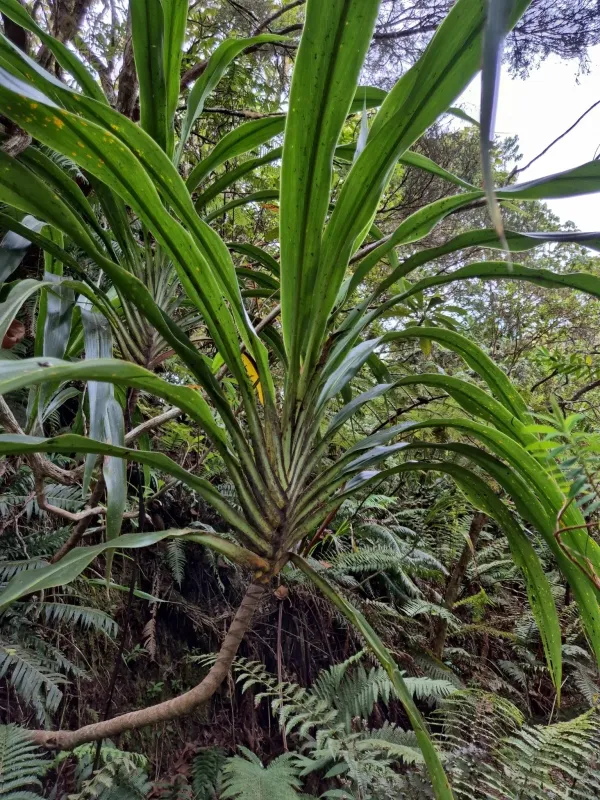
Cordyline mauritiana is a perennial ornamental plant belonging to the Asparagaceae family. Native to the Indian Ocean islands, particularly Mauritius, this species is highly valued in the nursery industry for its aesthetic structure and evergreen foliage.
Botanically, it features a sturdy, upright stem topped with a dense rosette of long, lanceolate leaves. It is a slow-to-moderate grower that can reach significant heights under optimal indoor or greenhouse conditions, requiring structural support if the stem becomes too tall.
The plant thrives in bright, indirect light. Direct exposure to the harsh afternoon sun is discouraged, as it can cause chlorophyll degradation and severe leaf scorch. Consistency in lighting is crucial for maintaining the plant's vibrant coloration.
Soil requirements focus on high organic matter content mixed with porous materials like perlite or sand to ensure effective drainage. A slightly acidic to neutral substrate pH is ideal for nutrient uptake and long-term health of the root system.
Temperature management should prioritize consistency, ideally between 18 and 24 degrees Celsius. While it can tolerate slightly cooler nights, temperatures below 12 degrees Celsius can cause metabolic stress and leaf drop.
Main diseases and pests
Scale insects are a primary pest, attaching themselves to the stems and leaves to feed on plant sap. These pests are often protected by a waxy cover, making early detection and manual removal or systemic pesticide application necessary.
Mealybugs are another common threat, appearing as white cottony masses in the leaf axils. Left unchecked, they can lead to sooty mold growth on the honeydew they excrete, further compromising the plant's photosynthesis process.
Spider mites tend to proliferate in dry, warm environments, leading to stippling on the leaves. Increasing ambient humidity and regular misting are effective cultural practices to deter their spread on large plant populations.
Root rot caused by Phytophthora or Pythium species is the most significant disease risk, usually triggered by waterlogged conditions. Proper irrigation management, based on moisture monitoring rather than a rigid schedule, is the best preventive strategy.
Leaf spot diseases can occur if water remains on the foliage for extended periods. Promoting good air circulation around the plants helps keep foliage dry and reduces the risk of fungal proliferation.