
Capsicum pubescens
Capsicum pubescens Ruiz & Pav.
Description
Sowing dates
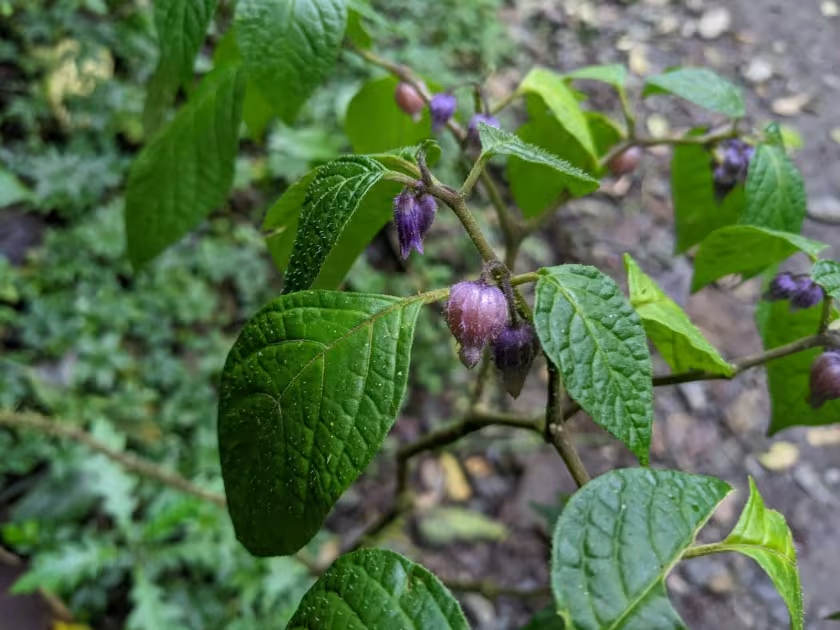
Capsicum pubescens, commonly known as the Rocoto or Manzano pepper, is a unique member of the Solanaceae family. It is easily distinguished from other Capsicum species by its hairy (pubescent) leaves and stems, as well as its distinct dark brown to black seeds.
Due to its long growing season, sowing must be planned well in advance. Seeds are typically started indoors in late winter, providing at least 12-14 hours of artificial light to ensure the seedlings do not become leggy during the early stages of development.
The germination process is relatively slow and requires consistent soil temperatures between 22 and 25 degrees Celsius. Using a high-quality, sterile seed-starting mix is essential to prevent damping-off, a common fungal issue that affects slow-growing pepper seedlings.
Once true leaves appear, seedlings should be transplanted into individual pots. This species responds well to gradual up-potting, which encourages a strong root system, an essential prerequisite for its long-term survival and future fruit production.
Acclimatization is a critical phase before moving plants outdoors. Hardening off the plants over a period of 10-14 days helps them adjust to external environmental factors, ensuring they can withstand light exposure and temperature fluctuations.
Growing requirements
Originating from the high-altitude Andean regions, Capsicum pubescens prefers a cooler climate compared to other peppers. It thrives in temperatures between 15 and 22 degrees Celsius and may struggle to set fruit when temperatures exceed 30 degrees Celsius.
The plant requires well-draining, fertile soil rich in organic matter. While it needs consistent moisture, it is highly sensitive to waterlogged soil, which can rapidly lead to root rot; therefore, excellent drainage is non-negotiable for success.
Light requirements are high, but the plant benefits from some protection from harsh, direct afternoon sunlight in warmer climates. Providing partial shade during the peak heat of the summer helps maintain the vitality of the foliage and prevents blossom drop.
Regular fertilization with a balanced, phosphorus-heavy fertilizer is recommended during the flowering phase to support fruit set. Avoid excessive nitrogen applications, which can lead to lush vegetative growth but may significantly decrease the plant's ability to produce peppers.
As a perennial, this species can be overwintered indoors in cooler climates. Pruning the plant back by one-third before bringing it inside for the winter helps manage its size and ensures a fresh start for the next growing season.
Main diseases and pests
Aphids and spider mites are the primary pests affecting this crop, particularly in greenhouse or indoor environments. Regular monitoring of the foliage, especially the underside of the leaves, is crucial for early detection and pest control.
Fungal diseases like late blight and powdery mildew can be devastating if air circulation is poor or humidity levels are kept too high. Maintaining proper spacing between plants and ensuring adequate ventilation are key preventive measures.
Root-knot nematodes can cause severe damage in soil-grown plants. To mitigate this risk, it is advisable to use sterilized potting media and practice strict crop rotation if growing in open ground, avoiding areas previously occupied by other Solanaceous crops.
Viral infections, often spread by sucking insects, represent a significant challenge for pepper cultivation. Integrated Pest Management (IPM) strategies, including the use of reflective mulches and insect nets, are recommended to minimize the risk of transmission.
- Aphids
- Spider mites
- Powdery mildew
- Late blight
- Root-knot nematodes
Harvesting
Harvesting Capsicum pubescens requires care, as the plant's branches are relatively brittle. It is highly recommended to use garden shears or scissors to harvest the fruits rather than pulling them off by hand to prevent damaging the structure of the plant.
The fruits are prized for their thick, succulent flesh and high heat levels. They are typically harvested when they reach their full mature color—often bright red or yellow—indicating the peak development of their unique flavor profile and spiciness.
Post-harvest, these peppers have excellent storage qualities. They remain firm and flavorful for extended periods if kept in a cool, dry, and well-ventilated area, making them highly versatile for both fresh consumption and culinary processing.
The harvest season can extend until the first hard frosts of autumn. In regions with short growing seasons, bringing potted plants indoors allows the remaining immature fruits to ripen off the plant under controlled conditions.
The primary culinary use for these peppers includes sauces, salsas, and fermentations. Due to the high concentration of capsaicin, gloves should be worn during harvest and preparation to avoid irritation of the skin and eyes.