
Aji pepper
Capsicum baccatum L.
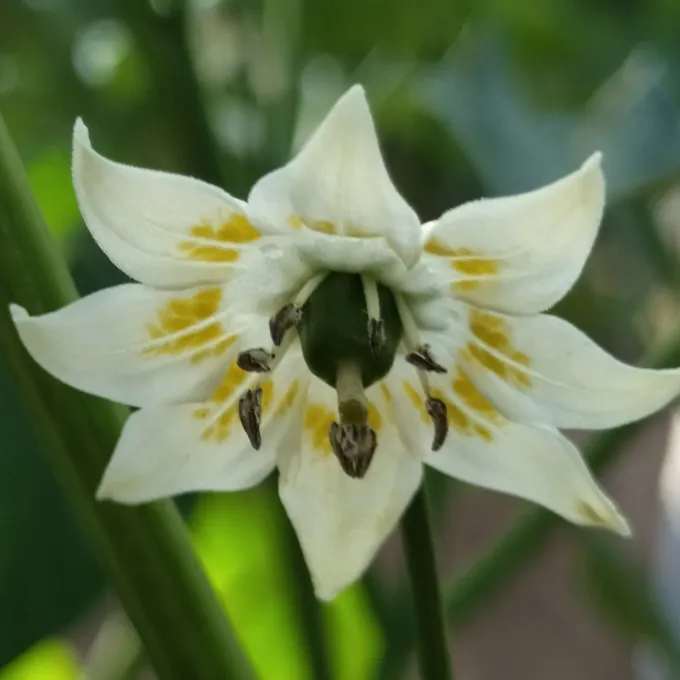
Description
Sowing dates
The Aji pepper belongs to the Solanaceae family and is a perennial subshrub that is grown as an annual crop in temperate climates. Due to the long growing season required for this plant, sowing should be done well in advance.
The optimal time for sowing seeds in seedling trays is mid-February to early March. This ensures that healthy seedlings are ready for transplanting once the risk of spring frost has completely passed.
The seeds are slow to germinate, so it is recommended to soak them in growth stimulants before planting. The temperature should be kept stable between +25 and +28 degrees Celsius for successful germination.
Pricking out the seedlings should be performed when the first two to three true leaves appear. It is crucial to avoid damaging the delicate root system, as the Aji pepper is highly sensitive to transplanting.
Hardened seedlings should be transplanted into the open ground or a greenhouse only when the soil has warmed up to at least +15 degrees Celsius. This plant is very heat-loving and struggles with sharp temperature fluctuations.
Growing requirements
This crop requires light, fertile, and well-drained soil with a neutral pH level. Waterlogging the soil frequently leads to root rot and can cause the death of the plants.
The plants require intense sunlight throughout the entire growing period. In shaded conditions, the Aji pepper tends to become leggy, and flowering becomes sparse or stops entirely.
The temperature optimum for development is between +22 and +28 degrees Celsius. If temperatures drop below +15 degrees, growth slows significantly, and frost will be fatal for the plant.
Irrigation should be regular but moderate, using warm, settled water. A lack of moisture during the active fruiting phase leads to the shedding of flower buds and fruit deformation.
The crop responds positively to organic and mineral fertilizers. It is recommended to alternate nitrogen-rich fertilizers in the early stages with potassium and phosphorus during flowering and fruit setting.
Yield
The yield of Aji pepper largely depends on growing conditions and specific variety. On average, a well-tended adult plant can produce between 1 and 3 kilograms of fruit per season.
Biologically, the fruits are juicy berries of unique shapes, often resembling bells or UFOs. As they ripen, they transition from green to vibrant shades of red, orange, or yellow.
The fruits of this species are known for their moderate heat and characteristic fruity aroma, which makes them a favorite in culinary arts for sauces, marinades, and drying.
Beyond culinary use, the crop has significant ornamental value. Many gardeners cultivate specific varieties as decorative features for their plots due to their abundant and colorful fruiting.
To increase yield, it is recommended to prune the tips of the shoots at the end of summer. This encourages the ripening of existing fruit and prevents excessive vegetative growth.
Main diseases and pests
The Aji pepper is susceptible to typical nightshade diseases, such as late blight and powdery mildew. In high humidity and poor ventilation, gray mold frequently develops.
Pests pose a significant threat, particularly spider mites and aphids, which multiply rapidly on the undersides of the leaves. Their presence leads to yellowing and curling of foliage.
Whiteflies can also cause substantial damage to greenhouse plantings. To control them, biological pesticides and yellow sticky traps are highly effective tools.
Crop rotation is a vital preventive measure. It is strongly advised not to plant peppers in areas where potatoes, tomatoes, or eggplants were previously grown, due to shared soil-borne pathogens.
Regular ventilation of greenhouses and timely removal of weeds significantly reduce the risk of mass infestation. A healthy plant with strong immunity is much more resilient to environmental stress.
Harvesting
Harvesting is performed as the fruits reach technical maturity, when they have achieved their characteristic size and shape. For a sharper flavor, it is recommended to wait for full biological maturity.
When harvesting, it is important to carefully cut the fruit along with the pedicel using garden shears or a sharp knife. Pulling by hand can easily damage the brittle stems of the bush.
Fruits harvested at technical maturity can ripen off the vine in a cool, dark place. However, they generally lack the flavor profile of peppers that have fully ripened on the plant.
On a commercial scale, harvesting is done in several passes depending on the rate of fruit color change. This allows for even load distribution on the plant structure.
After harvesting, the peppers have a relatively short shelf life, so for long-term storage, it is recommended to process them immediately or preserve them through drying or pickling.