
Scotch Bonnet pepper
Capsicum chinense Jacq.
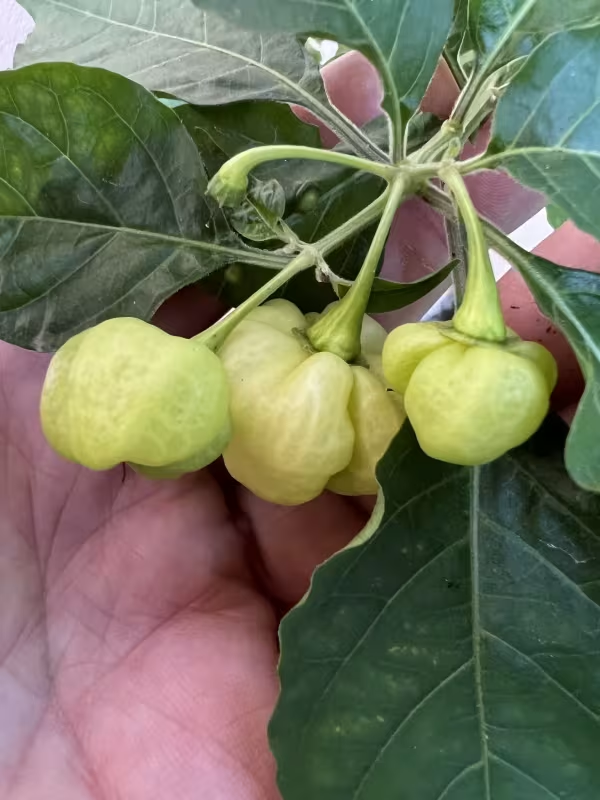
Description
Sowing dates
The Scotch Bonnet pepper (Capsicum chinense) is a heat-loving plant from the Solanaceae family that requires a long growing season, typically between 90 and 120 days. In temperate climates, seeds should be started indoors in late January or February to ensure a robust root system before the final transplant.
Seeds should be sown in a light, nutrient-rich substrate at a depth of approximately 0.5–1 cm. Maintaining a consistent temperature between 25 and 28 degrees Celsius is crucial for germination; cooler temperatures can lead to dormancy or the failure of the seeds to sprout effectively.
Once the first set of true leaves appears, seedlings must be transplanted into individual pots of at least 0.5 liters. This practice prevents root binding and encourages the development of a sturdy stem, which is vital for the plant's future adaptation to outdoor or greenhouse conditions.
Hardening off the seedlings is an essential step starting two weeks before planting outdoors. Gradually exposing the plants to direct sunlight and fluctuating temperatures minimizes transplant shock and strengthens the plant tissue, preparing it for the transition to the garden.
Planting outdoors should only occur after all risk of frost has passed and soil temperatures at a 10 cm depth have reached at least 15–18 degrees Celsius. Select a location that provides maximum daily sunlight and protection from strong winds, which can damage the stems.
Growing requirements
This variety is highly demanding regarding soil fertility and light quality. The best results are achieved in neutral, well-draining loamy or sandy soils, enriched with organic matter such as compost or well-rotted manure to provide sustained nutrition throughout the development phase.
The optimal temperature range for growth is between 22 and 30 degrees Celsius. Temperatures exceeding 35 degrees may cause flower and fruit drop, making it necessary to provide shade or improve ventilation in greenhouse settings during the hottest hours of the day.
Consistent soil moisture is critical; the soil should remain damp but not waterlogged, as excessive moisture can trigger root rot. Utilizing mulch is an effective strategy to retain soil humidity, suppress weeds, and prevent the root zone from overheating during intense heat.
Fertilization needs shift as the plant matures: prioritize phosphorus and potassium-rich fertilizers during the flowering and fruit-setting stages. Excessive nitrogen application should be avoided during this time, as it encourages dense foliage production at the expense of fruit development.
In greenhouse environments, excellent air circulation is mandatory to prevent fungal diseases and improve natural pollination. Proper airflow helps regulate humidity levels and ensures that the plants remain healthy and productive throughout their growth cycle.
Yield
The yield of Scotch Bonnet peppers significantly depends on the quality of care and environmental stability. A well-tended plant can produce between 30 and 100 fruits per season, making it an exceptionally productive addition to any garden when conditions are optimized.
The fruits exhibit a unique bonnet-like shape and transition from green to vibrant shades of red, yellow, or chocolate when fully ripe. The intensity of the final color is a reliable indicator of maturity and signifies the peak concentration of essential oils and capsaicin.
Due to the high number of fruits produced, plants often require support. Staking or using garden cages is recommended to prevent heavy branches from breaking, which also helps improve airflow and light penetration, ensuring even ripening across the entire plant.
To maximize yields, these peppers require 12–14 hours of daily light. In regions with limited natural sunlight, using supplementary LED grow lights can significantly boost productivity, enabling the plant to maintain high fruit production levels throughout the warmer months.
Consistent harvesting of ripe peppers encourages the plant to continue producing new blooms. By removing mature fruits promptly, you signal the plant to divert its remaining energy into ripening the next batch of peppers, extending the total harvest season.
Main diseases and pests
These plants are susceptible to common Solanaceae diseases, such as late blight, early blight, and various mosaic viruses. Preventing these issues relies primarily on strict crop rotation—avoiding planting in soil previously used for peppers or tomatoes—and providing adequate spacing.
Pests like aphids, spider mites, and whiteflies can be major threats, especially in enclosed spaces. Regular inspection of the undersides of leaves is essential for early detection, allowing for the application of biological or organic control methods before infestations become unmanageable.
Root rot is often caused by overwatering or using cold water for irrigation. Always use room-temperature water and apply it directly to the base of the plant to keep the foliage dry, which significantly reduces the risk of fungal infections developing on the leaves.
Minimize the use of synthetic pesticides during the fruit-set phase to ensure food safety. Opt for biological solutions or neem oil-based sprays to manage pests while keeping the produce safe for consumption, which is especially important for home gardeners.
Maintaining a minimum distance of 40–50 cm between plants is a crucial preventive measure. Proper spacing reduces humidity buildup and limits the ease with which diseases can spread from one plant to another in the garden row.
Harvesting
Harvesting should be done selectively as fruits reach their full color. The flavor profile and extreme heat associated with Scotch Bonnet peppers are most concentrated when the fruits are fully ripe and firm to the touch, marking the peak stage for culinary use.
Use a sharp knife or garden shears to cut the peppers from the stem rather than pulling them by hand. This careful approach prevents accidental damage to the delicate branches of the plant and keeps the harvest area clean and free from unnecessary plant trauma.
Freshly harvested peppers can be stored in a cool, dark place for 2–3 weeks, or they can be dried, frozen, or pickled for long-term use. Their unique flavor makes them a favorite for hot sauces, stews, and various spicy culinary applications.
Safety is paramount: always wear gloves when harvesting and processing these peppers. The capsaicin content is extremely high and can cause severe skin irritation or burning sensations if it comes into contact with the eyes or sensitive mucous membranes.
Before the first autumn frost, harvest all remaining fruits, even those that have not fully changed color. These "green" peppers will often continue to ripen indoors at room temperature, allowing you to maximize your harvest and avoid total crop loss.