
Aji
Capsicum baccatum L. var. pendulum (Willd.) Eshbaugh
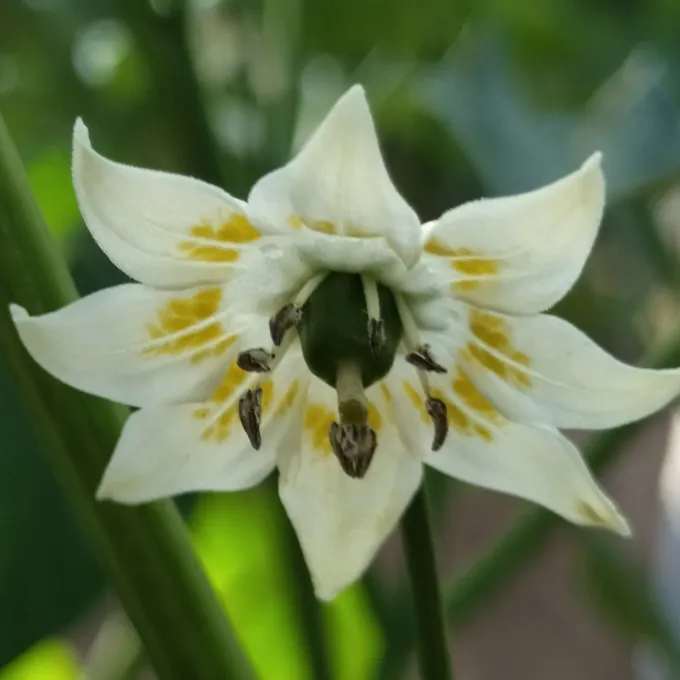
Description
Sowing dates
Sowing Aji pepper seeds should begin 80–90 days before the intended transplanting date, as this species has a longer vegetative cycle than standard bell peppers. In temperate climates, February or early March is the ideal timeframe.
For consistent germination, seeds should be pre-sprouted at temperatures between +25°C and +28°C. Utilizing a high-quality, pH-neutral seed starting mix (pH 6.0–6.8) is crucial to minimize the risk of soil-borne diseases during early development.
Seedlings should be transplanted into individual pots after the emergence of the first two true leaves. Providing adequate light is essential to prevent etiolation, as weak, stretched stems often result in lower overall productivity.
Transplanting to the permanent location should only occur once the risk of frost has passed and soil temperatures have warmed to at least +15°C. Aji plants are particularly sensitive to cold stress in their early growth stages.
Standard planting density is roughly 3–4 plants per square meter. Because many varieties of Capsicum baccatum are bushy and sprawling, allowing enough space for airflow is critical for plant health.
Growing requirements
This species of the Solanaceae family originates from South America and requires sunny, wind-protected locations. Intense sunlight is a key factor in the development of the fruit's characteristic flavor profile.
Soil must be light, fertile, and well-draining. Water stagnation in the root zone is lethal for Aji peppers, making raised beds or the addition of organic amendments essential for heavy soils.
The optimal temperature range for growth is +20°C to +28°C. Temperatures exceeding +32°C can cause flower drop and aborted fruit set, requiring shading for plants in particularly hot climates.
Agricultural practice includes regular, moderate watering. Soil moisture should be maintained at a 70–80% capacity, taking care to avoid wetting the foliage, which helps to prevent fungal outbreaks.
During the flowering and fruiting phases, plants require supplemental feeding with balanced fertilizers high in potassium and phosphorus. Organic compost or worm castings provide a steady release of nutrients throughout the growing season.
Yield
The yield of Aji peppers is determined by the specific variety and environmental conditions. In optimal settings, a mature, well-maintained plant can produce between 1 and 3 kilograms of fruit per season.
Productivity is significantly enhanced by proper pruning. Removing excess lateral shoots from the lower canopy allows the plant to redirect energy toward developing fruit in the upper and middle sections.
Capsicum baccatum displays a wave-like flowering pattern. Regular harvesting of ripe fruit encourages the plant to continue setting new blooms, thereby extending the harvest season until late autumn.
The fruit features a unique morphology, ranging from conical to bell-shaped with distinct wings. The flavor is defined by complex fruity notes and varying levels of heat, highly prized in gourmet cooking.
Mulching the soil helps to stabilize moisture levels and regulates root zone temperature, both of which are critical factors for maximizing the final weight and quality of the harvest.
Main diseases and pests
The most common pests include spider mites and aphids, which thrive in hot, dry conditions. Regular inspection of the underside of the leaves is a necessary practice for early detection and control.
Fungal diseases such as Phytophthora blight and various root rots pose a significant threat. Crop rotation is the most effective preventative measure to stop pathogen buildup in the soil.
Viral infections, like the tobacco mosaic virus, are often spread by insect vectors. Controlling aphid and thrips populations is vital to maintaining the health of the crop throughout the season.
Excessive humidity in greenhouses often leads to powdery mildew. Ensuring proper air circulation and avoiding overcrowding are the primary methods for managing this fungal issue.
Integrated pest management, including the use of biological agents such as Bacillus subtilis or beneficial insects, can effectively manage threats while minimizing the need for harsh synthetic chemicals.
Harvesting
Harvesting should occur as fruits reach their mature color, which varies by variety from yellow to deep red. Fully ripe peppers offer the highest concentration of complex flavor and aroma.
It is recommended to use garden shears to harvest fruits, as pulling them by hand can damage the plant's fragile stems. Clean cuts help preserve the plant and improve the shelf life of the fruit.
Aji peppers are versatile in the kitchen, suitable for fresh consumption, gourmet sauces, drying, or pickling. Their unique fruity heat makes them a distinct ingredient in many culinary traditions.
Before the first killing frost, all unripe fruits should be harvested. They can be ripened indoors in a warm, dark place, ensuring that no potential harvest is lost to cold weather.
For short-term storage, keep the harvested peppers in a cool, dry place at temperatures around +8°C to +10°C, where they can remain fresh for several weeks.