
Buckleya
Buckleya
Buckleya is a genus of deciduous shrubs belonging to the Santalaceae family, known for its unique botanical adaptation as a root parasite. These plants rely on haustorial connections with the roots of host trees to extract nutrients and water, which is essential for their growth.
What the section contains


Buckleya
The native distribution of Buckleya spans temperate regions of North America and parts of East Asia, including China and Japan. They are typically found in moist, shaded forest understories where they coexist with specific woody host species required for their survival.
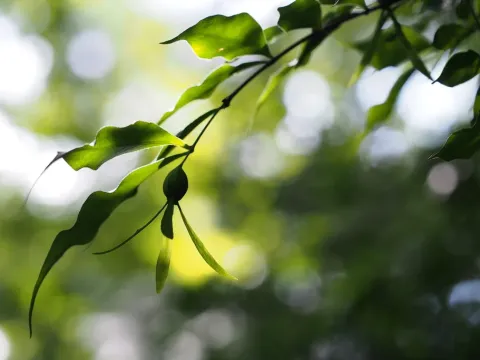
Botanically, the genus is characterized by slender stems and opposite leaves. The flowers are generally small and dioecious, appearing in late spring or summer. Because of their specialized lifestyle, they are rarely seen in cultivation outside of professional botanical gardens.
Cultivation requirements for Buckleya are highly specific and challenging. To successfully establish these plants, one must ensure the proximity of a compatible host plant. The soil must remain consistently moist, well-aerated, and rich in organic matter to mimic the natural forest floor environment.
The economic or agricultural utility of Buckleya is non-existent as it is not a crop. Its primary significance is found in botanical research, specifically in understanding the complex physiological relationships between parasitic plants and their respective hosts.
Environmental threats to Buckleya include the fragmentation of forest habitats and the decline of native host species. As a specialized parasite, the plant is highly sensitive to ecological imbalances that disrupt its symbiotic pathways.
Pathological risks include various fungal infections, particularly root rot, caused by stagnant soil conditions. While they do not suffer from massive outbreaks of agricultural pests, they are occasionally susceptible to generalist herbivores that browse on young, succulent shoots.