
Sand saltbush
Atriplex arenicola
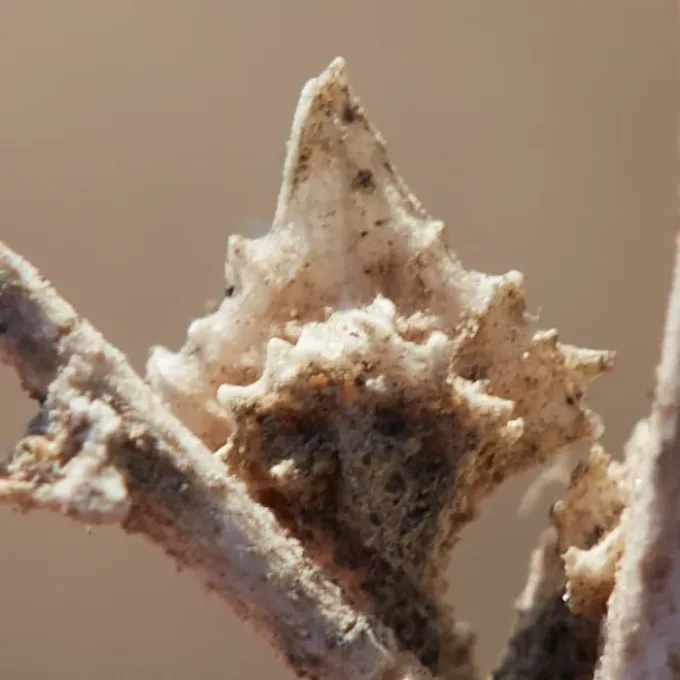
Description
Growing requirements
Sand saltbush (Atriplex arenicola) is a specialized forage and reclamation crop belonging to the Amaranthaceae family. It is recognized for its remarkable ability to colonize sandy, saline, or arid environments where typical agricultural crops fail to thrive.
The botanical structure of this species is optimized for extreme water-use efficiency. It possesses a deep root system that anchors the plant firmly in loose soils and accesses moisture deep within the soil profile, ensuring growth even during prolonged dry spells.
Regarding soil requirements, this crop demands excellent drainage and porous, sandy textures. It thrives in soils with low nutrient profiles and high salt concentrations, displaying a high tolerance for salinity that would be toxic to most other cultivated plants.
Climatic adaptability is a hallmark of Atriplex arenicola. It prefers high-intensity solar radiation and stable arid conditions. It is highly resistant to heat stress, making it an ideal candidate for cultivation in desert-margin agriculture or marginal lands.
Agricultural use of sand saltbush is primarily focused on stabilizing shifting sand dunes and providing a high-fiber, emergency forage source for livestock in regions where rainfall is too erratic for traditional pasture grasses.
Main diseases and pests
The primary threat to the health and yield of Atriplex arenicola is waterlogging. Because it is adapted to dry and well-aerated sandy environments, excess moisture leads to rapid root rot and overall physiological decline of the stand.
Fungal pathogens such as powdery mildew can occur in stagnant, humid air conditions. Maintaining an appropriate sowing density is essential to ensure adequate airflow and reduce the humidity around the leaf surfaces.
Pest pressures are generally low due to the plant's robust nature, but infestations of various beetles, such as the tortoise beetle, can occasionally occur. These insects typically feed on the foliage and can impact biomass accumulation if left uncontrolled.
Integrated Pest Management (IPM) practices, including proper crop rotation and the physical removal of early-infestation hotspots, are recommended to maintain the health of the field without relying heavily on chemical pesticides.
Crop monitoring should focus on identifying early symptoms of dampness-related diseases. By strictly controlling water application and preventing weed encroachment, the grower can successfully minimize the risk of significant pest or disease outbreaks.