
Buckleya lanceolata
Buckleya lanceolata
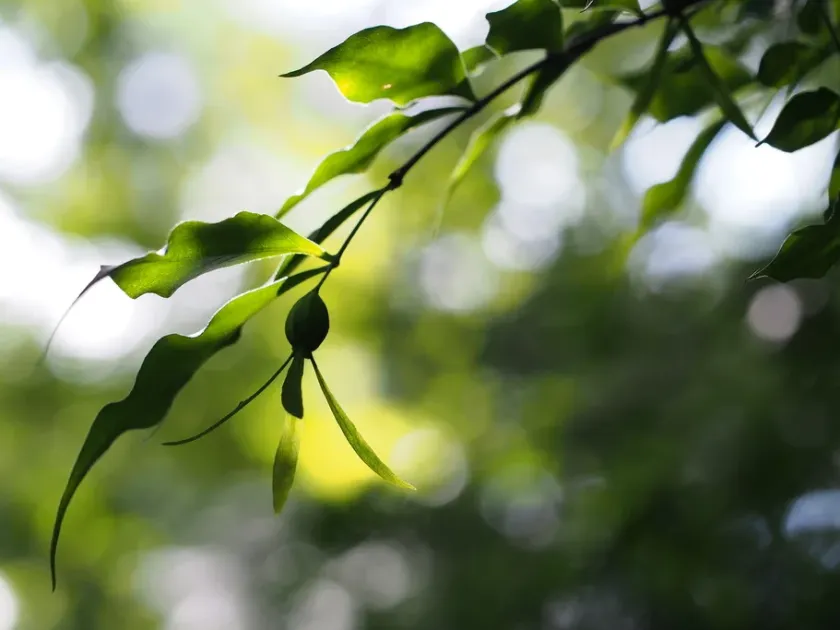
Description
Growing requirements
Buckleya lanceolata is a deciduous shrub belonging to the Santalaceae family. It is recognized primarily for its specialized lifestyle as an obligate root hemi-parasite, which makes it a unique botanical specimen.
Native to the forest regions of East Asia, including Japan and China, this plant has adapted to survive in temperate mountain ecosystems. Its growth strategy is intrinsically linked to the presence of host trees.
Cultivation requires the presence of compatible host plants, such as Tsuga or other conifers, to ensure proper nutrition. The roots of the shrub develop haustoria that connect to the host roots to obtain water and minerals.
Soil conditions should favor excellent drainage and maintain a slightly acidic pH level. The plant thrives in environments that mimic forest floor conditions, characterized by moisture-retentive yet non-waterlogged soils.
While not a traditional agricultural crop, Buckleya lanceolata is highly regarded in horticultural research and botanical gardens. Its cultivation is limited by the strict dependency on its symbiotic hosts and specialized microclimate needs.
Main diseases and pests
The absence of a suitable host plant is the most critical threat to the survival of the species. Without this relationship, the shrub fails to achieve its full potential and will eventually decline and die.
Excessive soil moisture is another major risk, as it encourages root rot and other fungal diseases. Proper site selection and drainage management are essential to maintain the long-term health of the shrub.
Insect pests, such as spider mites and aphids, represent a constant threat to the foliage. These pests can rapidly proliferate in stagnant air, leading to significant stress on the plant's photosynthetic capabilities.
Competition from fast-growing weeds can choke out younger plants during the establishment phase. Maintaining a weed-free zone around the root collar is necessary to prevent resource depletion.
Climatic instability, particularly late spring frosts, can damage terminal buds and new growth. Protection against sudden temperature shifts is recommended to ensure the plant successfully completes its annual vegetative cycle.