
New Caledonian sandalwood
Santalum austro-caledonicum
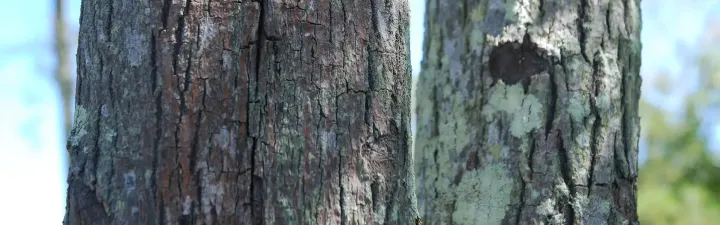
Description
Sowing dates
New Caledonian sandalwood is a hemiparasitic species belonging to the Santalaceae family. Successful propagation requires planting seeds in specialized nurseries where seedlings can be established alongside an appropriate host plant, essential for their survival.
Seeds are collected from mature fruits, cleaned of pulp, and sown in well-draining media. Providing a consistent moisture level without waterlogging is critical during the initial germination phase to ensure a high success rate.
The selection of the host plant is the most important agronomic decision. Nitrogen-fixing species like Acacia or Casuarina are commonly used to support the sandalwood seedling's development through root-to-root haustorial connections.
Seedlings are transferred to the field at the beginning of the wet season to allow the root system to adapt to soil conditions. Careful handling of the root ball is vital to ensure the haustorial connections remain intact during transplanting.
Strategic planting layout is used to manage competition. Rows are spaced to allow both the sandalwood and its host sufficient room to grow, ensuring optimal light and nutrient distribution throughout the plantation lifetime.
Growing requirements
This species thrives in tropical climates with distinct wet and dry seasons. It prefers altitudes up to 1000 meters and requires average annual temperatures between 20 and 28 degrees Celsius for active metabolism.
Well-drained soils are mandatory, as the root system is highly susceptible to rot in waterlogged conditions. The soil should be light, aerated, and ideally have a neutral pH to promote efficient mineral exchange with host roots.
Light management is dynamic: young saplings benefit from partial shade provided by host trees or nursery structures. As the sandalwood matures, it becomes more light-demanding, requiring pruning of surrounding canopy to maximize photosynthesis.
Once established, the tree is drought-tolerant, drawing water from deep soil layers via its host connections. However, supplemental irrigation is beneficial during the first two years of the field stage to ensure steady growth.
Maintenance involves regular weeding of the area around the tree base to remove competitive vegetation that could impede growth. Mulching helps retain soil moisture and improves the overall microclimate for the tree.
Yield
The economic yield of sandalwood is measured by the development of the heartwood, which accumulates aromatic essential oils. This process is slow, typically requiring a maturity period of 25 to 30 years before harvest.
Yield quality is determined by the concentration of alpha- and beta-santalol. Older trees generally produce higher concentrations of these compounds, significantly increasing the market value of the harvested wood.
Agronomic performance is assessed by measuring the heartwood-to-sapwood ratio. By optimizing host plant nutrition and spacing, farmers can improve the rate at which the heartwood is formed over time.
Field monitoring includes periodic core sampling of select trees to estimate the current oil content. This helps in planning the harvest schedule for different sections of the plantation to meet market demand.
Primary products derived from harvest include aromatic heartwood logs, powders, and crude oils extracted via steam distillation. Secondary products are often utilized in smaller-scale perfumery and cosmetics.
Main diseases and pests
Root rot caused by fungal pathogens is the most significant threat, often resulting from poor soil drainage. Infected haustoria lose connection with the host, leading to rapid decline in the health of the sandalwood tree.
Insects such as termites can cause structural damage to the bark and outer layers of the stem. Maintaining tree vigor through proper nutrient support from host plants is the best natural defense against infestations.
Phytoplasma-linked diseases, often spread by sap-sucking insects, present a risk to plantation stability. Symptomatic trees showing yellowing leaves must be promptly removed to prevent the spread of the pathogen to the rest of the site.
Mammals and rodents can cause physical damage to the trunk or roots. Fencing and regular site inspections are essential measures to protect the integrity of the young plantation from external mechanical damage.
Environmental stress, particularly extended heatwaves or drought, can weaken the tree's natural defense systems. Maintaining a balanced ecosystem within the plantation helps mitigate these risks and supports tree resilience.
Harvesting
Harvesting is a critical operation that involves uprooting the entire tree. Because the most valuable heartwood is found in the lower trunk and the root system, extreme care is taken to recover as much of the root mass as possible.
The process is typically manual or involves specialized extraction equipment to preserve the heartwood. After extraction, the wood is immediately separated from the non-aromatic sapwood to maintain purity.
Proper drying is essential to stabilize the aromatic compounds. The heartwood is stored in climate-controlled environments to gradually reduce moisture levels without causing cracking or degradation of the oil content.
Grading of the harvest is based on density, color, and scent intensity. High-grade wood is separated for luxury perfume markets, while lower-grade material is processed for essential oil extraction.
Storage after harvest is vital, as the volatile oils can evaporate if exposed to high heat. Secure, air-tight packaging ensures the longevity and quality of the sandalwood until it reaches the processing facility.