


SKU #37585
·
74 views
Wheat Yarina
Wheat
Prices in stores
No offers yet — stores have not added prices for this product yet.
Similar varieties with prices
- Aquilegia from 13.48 €per 1 kg
-
 PalmARI HAS (Martonvasar)
from 0.31 €
PalmARI HAS (Martonvasar)
from 0.31 €
-
 Zira
from 12.32 €per 1 kg
Zira
from 12.32 €per 1 kg
-
 KatarinaSaaten-Union
from 0.42 €per 1 kg
KatarinaSaaten-Union
from 0.42 €per 1 kg
Type of Development
Spring wheat
Wheat Type
Durum wheat variety
Growing Season
80-90 days, 90-100 days
Seed: mass 1.000 pcs seeds
35-40 grams
Your mark
0 votes
0% positive ratings
Description
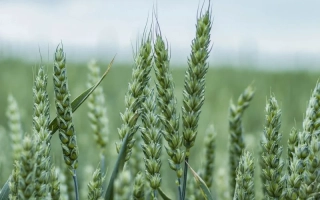
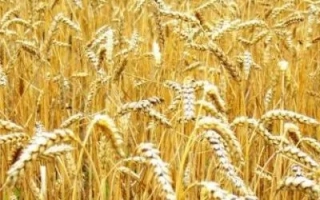
Hard winter wheat Yarina — a high-quality grain wheat variety intended for use in food and feed industries. The variety has a medium vegetation period of 76 to 94 days, depending on the region of cultivation, and is characterized by good drought resistance and resistance to major diseases, including moderate resistance to powdery mildew and septoria. The plant has medium height with a semi-erect bush and medium straw thickness, ensuring resistance to lodging. The ear is pyramidal, short and dense, with white awns, and the grain is elongated, light-colored with a long awn. Yarina has high yield: in Ukraine it reaches 5.6–6.5 t/ha, while in the North Caucasus and Krasnodar regions, the average yield is about 14 c/ha, with maximum yields up to 33.6 c/ha and potential yield exceeding 70 c/ha according to the breeder. The 1000-grain mass varies from 33 to 44 g, indicating grain size and density. The grain contains a high protein content — around 14.7–14.8%, as well as raw gluten of 27.0–30.8%, ensuring high flour strength (approximately 300 standard units) and excellent baking qualities. The bread volume from 100 g of flour reaches 1130 ml, and the overall baking quality score is 8.1 points. Yarina is recommended for cultivation in the forest-steppe zone of Ukraine, as well as in the Northern and Central zones of the Krasnodar region. The variety is suitable for sowing as a main crop or for repairing sparse winter wheat sowing. Due to its grain quality, it is widely used in the production of high-quality pasta and cereal products. Resistance to lodging and grain sprouting in the ear make this variety a reliable choice for agricultural producers seeking a stable and high-quality yield.
Crop & resistance
Crop
Disease resistance
Specifications
| Type of Development | |
|---|---|
| Wheat Type | |
| Growing Season | 80-90 days, 90-100 days |
| Seed: mass 1.000 pcs seeds | 35-40 grams |
| Grain: gluten content | 25-30% |
| Resistance to lodging | |
| Potential Yield | 7-8 tons, 8-9 tons |
| Registration year | 2020 |
| Catalog | Catalog → Wheat |
| Legal data |
Show · 1
|
| Country | Ukraine |
No reviews yet. Be the first to share your experience.
Alternatives
Wheat seeds · similar varieties






See also
Often considered together with this variety




Recently viewed
Products you’ve viewed on this site
Reviews