


Prices in stores
No offers yet — stores have not added prices for this product yet.
Similar varieties with prices
-
Sotnitsia
from 0.18 €per 1 kg
-
 Zdobna
from 4.1 €per 1 kg
Zdobna
from 4.1 €per 1 kg
-
 Field Flower
from 0.23 €per 1 kg
Field Flower
from 0.23 €per 1 kg
-
 BoltonCerela Inc
from 0.59 €
BoltonCerela Inc
from 0.59 €
Type of Development
Winter wheat
Wheat Type
Soft wheat variety
Growing Season
90-100 days
Plant: height
80-90 cm
Your mark
0 votes
0% positive ratings
Description
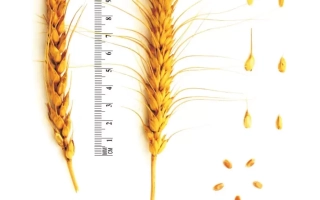
South Star is a new variety of soft winter wheat, created through intraspecific hybridization and targeted selection from the crosses of the Lydia and Zustrich varieties. It belongs to the erythrospermum subgroup and is characterized by medium maturity and medium height. The variety boasts high grain yield, which over the years of research averaged 9.43 t/ha, significantly exceeding the indicators of the standard Grom variety. Due to its structure and genotype, South Star belongs to resource-saving cultivation technologies, making it promising for intensive agriculture. The variety demonstrates high resistance to lodging, ensuring yield stability even under unfavorable weather conditions. It also exhibits high winter hardiness, frost resistance, and drought resistance above average levels, allowing for successful cultivation in various soil and climatic conditions of the North Caucasus, Lower Volga, and Central Black Earth regions, as well as in Rostov region. South Star is resistant to major diseases of winter wheat, such as septoria, brown rust, powdery mildew, and common bunt, reducing the need for intensive chemical protection of crops. The grain quality of the South Star variety is high and meets the requirements for strong wheat. The mass of 1000 grains is 43-45 grams, and the grain is resistant to shattering and sprouting on the root, improving yield preservation. The main factors influencing the high yield are the number of grains per ear, ear grain mass, and 1000 grain mass. Thanks to the combination of these agronomic-biological traits, the variety ensures a high yield potential of up to 9.5-10.0 t/ha when cultivated in recommended regions.
Crop & resistance
Crop
Disease resistance
Specifications
| Type of Development | |
|---|---|
| Wheat Type | |
| Growing Season | 90-100 days |
| Plant: height | 80-90 cm |
| Seed: mass 1.000 pcs seeds | 40-45 grams |
| Winter Hardiness, Ratings (9-1) | 7, 8, 9 |
| Resistance to lodging | |
| Potential Yield | 9-10 tons |
| Registration year | 2025 |
| Catalog | Catalog → Wheat |
| Manufacturer | North Caucasian FARC |
| Country | Russia |
No reviews yet. Be the first to share your experience.
Alternatives
Wheat seeds · similar varieties




See also
Often considered together with this variety




Recently viewed
Products you’ve viewed on this site
Reviews