


SKU #59152
·
33 views
Wheat SOTKA
Wheat
User rating
0 votes0% positive reviews
No ratings yet — be the first.
Type of Development
Winter wheat
Wheat Type
Soft wheat variety
Seed: mass 1.000 pcs seeds
35-40 grams
Grain: gluten content
25-30%
About product

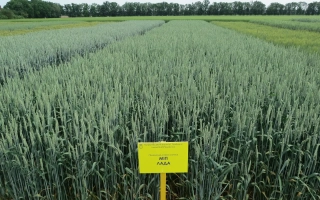
SOTKA, also known as SG-100, is a high-yielding and high-intensity winter wheat variety. It features a short stem and a medium-early vegetative period lasting 280-284 days. The average yield of the variety in variety trials reached 8.63-9.48 tons per hectare, exceeding standard varieties by 0.63-0.82 tons. SG-100 has high frost resistance and winter hardiness, as well as pronounced drought resista…
Type of Development
Winter wheat
Wheat Type
Soft wheat variety
Seed: mass 1.000 pcs seeds
35-40 grams
Grain: gluten content
25-30%
Description
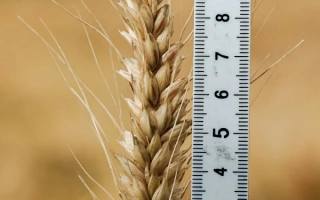
SOTKA, also known as SG-100, is a high-yielding and high-intensity winter wheat variety. It features a short stem and a medium-early vegetative period lasting 280-284 days. The average yield of the variety in variety trials reached 8.63-9.48 tons per hectare, exceeding standard varieties by 0.63-0.82 tons. SG-100 has high frost resistance and winter hardiness, as well as pronounced drought resistance and heat tolerance, making it a reliable choice for various climatic conditions. The variety is resistant to lodging, shattering, and germination of grain in the ear, which contributes to yield preservation and quality.
Wheat SOTKA is characterized by high resistance to major diseases such as ear blight, loose smut, and brown rust, with resistance ratings from 4 to 6 points. Additionally, the variety has good tolerance to pests, including the cabbage moth and stink bug. The grain of the variety has a red color, is large and well-filled, with a thousand-grain weight ranging from 38.8 to 41.5 grams. Protein content in the grain is 13.3-13.6%, gluten is 26.5-27.1%, and flour strength varies from 270 to 420 conditional units, ensuring high-quality flour and bread with a rating of 4.8-4.9 points.
Winter wheat variety SOTKA is adapted to various agroclimatic conditions and is characterized by a prolonged vernalization period and an intensive hardening process, which increases its resistance to low temperatures. It belongs to extra-strong high-intensity varieties capable of yielding up to 12.8 tons per hectare under optimal conditions. Thanks to the combination of physiological and genetic mechanisms of resistance to moisture deficit, the variety demonstrates maximum drought endurance at all stages of growth and development. This makes SOTKA an excellent choice for sowing in regions with variable climatic conditions and increased requirements for yield quality and stability.
Wheat SOTKA is characterized by high resistance to major diseases such as ear blight, loose smut, and brown rust, with resistance ratings from 4 to 6 points. Additionally, the variety has good tolerance to pests, including the cabbage moth and stink bug. The grain of the variety has a red color, is large and well-filled, with a thousand-grain weight ranging from 38.8 to 41.5 grams. Protein content in the grain is 13.3-13.6%, gluten is 26.5-27.1%, and flour strength varies from 270 to 420 conditional units, ensuring high-quality flour and bread with a rating of 4.8-4.9 points.
Winter wheat variety SOTKA is adapted to various agroclimatic conditions and is characterized by a prolonged vernalization period and an intensive hardening process, which increases its resistance to low temperatures. It belongs to extra-strong high-intensity varieties capable of yielding up to 12.8 tons per hectare under optimal conditions. Thanks to the combination of physiological and genetic mechanisms of resistance to moisture deficit, the variety demonstrates maximum drought endurance at all stages of growth and development. This makes SOTKA an excellent choice for sowing in regions with variable climatic conditions and increased requirements for yield quality and stability.
Crop & resistance
Crop
Disease resistance
Specifications hover over for a hint about the specification
| Type of Development | |
|---|---|
|
Wheat Type
Wheat Type
Biologically hard wheat differs from soft wheat in its greater demand for soil fertility and agronomic conditions (especially regarding field cleanliness from weeds), lower drought resistance and plasticity, relatively weaker root development, especially nodal roots, and lower ti... |
|
| Seed: mass 1.000 pcs seeds | 35-40 grams |
|
Grain: gluten content
Grain: gluten content
Raw gluten of grain is a hydrated protein and consists of water-insoluble protein fractions, as well as a small amount of starch, fats, and other substances firmly bound by proteins. Since gluten is primarily composed of proteins, its yield and quality depend on the quantity and... |
25-30% |
| Resistance to lodging | |
| Potential Yield | 9-10 tons, 10-11 tons |
| Registration year | 2025 |
| Catalog | Catalog → Wheat |
| Legal data |
Show · 1 |
| Country | Russia |
Store offers
Prices are updated on loadLoading offers…
Aggregator catalog: prices are collected automatically from store websites, normalized by AI and converted at the current exchange rate. Before ordering, confirm the price and availability on the store's website. This block is not indexed by search engines — the data is loaded after the page opens.
Not yet комментариев. Be the first!
Alternatives
Wheat seeds · similar varieties





See also
Often considered together with this variety



Recently viewed
Products you’ve viewed on this site
Reviews · 0