


SKU #59684
·
45 views
Wheat Selenga
Wheat
User rating
0 votes0% positive reviews
No ratings yet — be the first.
Type of Development
Spring wheat
Wheat Type
Soft wheat variety
Growing Season
80-90 days
Seed: mass 1.000 pcs seeds
35-40 grams
About product

Early-maturing soft spring wheat with high resistance to lodging and stem smut.
Type of Development
Spring wheat
Wheat Type
Soft wheat variety
Growing Season
80-90 days
Seed: mass 1.000 pcs seeds
35-40 grams
Description
An Early-Maturing Choice for Short Seasons
"Selenga" is a soft spring wheat variety developed by Siberian research institutions, specifically designed for regions with a compressed growing season. Its primary strength lies in its ability to bypass late-summer environmental stressors, thanks to its rapid maturity period of 80–90 days.
Technical Specifications and Resilience
The variety shows significant lodging resistance, which is a major advantage for efficient mechanical harvesting. The grains are of medium size, with a 1,000-kernel weight ranging from 35 to 40 grams. A distinguishing feature of Selenga is its phytosanitary profile; the variety displays high tolerance to stem smut, providing a clear advantage over many soft wheat counterparts that are susceptible to this pathogen.
Optimal Use Cases
Selenga is an ideal choice for farmers operating in high-risk agricultural zones where late-season drought or early autumn frosts are common. Its accelerated development cycle ensures that harvest can be completed before weather conditions deteriorate. Growers should note that due to its intensive development profile, the variety requires well-timed nutrient application, as it must efficiently uptake fertilizers within a tighter physiological window.
Crop & resistance
Crop
Disease resistance
Specifications hover over for a hint about the specification
| Type of Development | |
|---|---|
|
Wheat Type
Wheat Type
Biologically hard wheat differs from soft wheat in its greater demand for soil fertility and agronomic conditions (especially regarding field cleanliness from weeds), lower drought resistance and plasticity, relatively weaker root development, especially nodal roots, and lower ti... |
|
| Growing Season | 80-90 days |
| Seed: mass 1.000 pcs seeds | 35-40 grams |
| Resistance to lodging | |
| Registration year | 1989 |
| Catalog | Catalog → Wheat |
| Legal data |
Show · 4 |
| Country | Russia |
Store offers
Prices are updated on loadLoading offers…
Aggregator catalog: prices are collected automatically from store websites, normalized by AI and converted at the current exchange rate. Before ordering, confirm the price and availability on the store's website. This block is not indexed by search engines — the data is loaded after the page opens.
Not yet комментариев. Be the first!
Alternatives
Wheat seeds · similar varieties


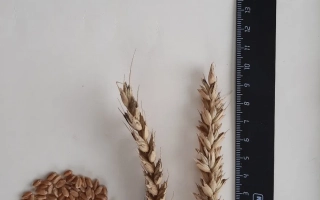
See also
Often considered together with this variety

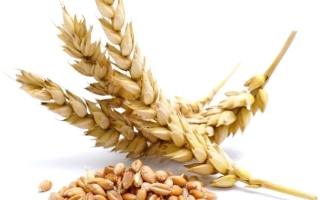


Recently viewed
Products you’ve viewed on this site
Reviews · 0