


SKU #59869
·
34 views
Wheat SARATOVSKAYA 68
Wheat
Federal Agrarian Scientific Center of the South-EastUser rating
0 votes0% positive reviews
No ratings yet — be the first.
Type of Development
Spring wheat
Wheat Type
Soft wheat variety
Ostistost'
Ostistaya
Growing Season
90-100 days
About product

Saratovskaya 68 is a spring soft wheat (Triticum aestivum L.) variety developed at the Southern Volga Institute of Agriculture. The variety's pedigree includes the varieties Tselinnaya 20 and Saratovskaya 60. This mid-season and mid-height variety belongs to the erytrospermum subtype and is characterized by a cylindrical, slightly tapering ear of medium density with white, awned, and non-hairy awn…
Type of Development
Spring wheat
Wheat Type
Soft wheat variety
Ostistost'
Ostistaya
Growing Season
90-100 days
Description
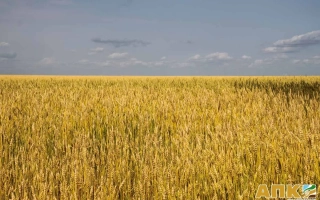
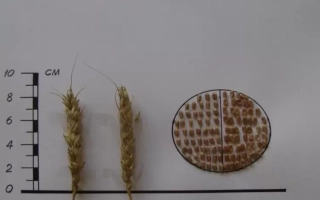
Saratovskaya 68 is a spring soft wheat (Triticum aestivum L.) variety developed at the Southern Volga Institute of Agriculture. The variety's pedigree includes the varieties Tselinnaya 20 and Saratovskaya 60. This mid-season and mid-height variety belongs to the erytrospermum subtype and is characterized by a cylindrical, slightly tapering ear of medium density with white, awned, and non-hairy awn chaffs. The grain is red, oval-oblong, of medium size, glassy, with a 1000-grain mass within 28-36 g, averaging about 32.6 g. The ear and grain possess well-expressed morphological traits, such as pinkish nerveation and a narrow furrow on the grain. The variety is distinguished by high yield and resilience to adverse conditions. It is recommended for cultivation in the Right-Bank zones of the Saratov region and has been included in the State Register for the Middle Volga and Lower Volga regions. Saratovskaya 68 exhibits medium resistance to lodging and powdery bunt, is practically resistant to solid bunt, and is also more tolerant to brown leaf rust and powdery mildew compared to standard varieties. Moderately drought-resistant, the variety demonstrates stable productivity in both favorable and severely dry years, confirmed by a maximum yield of up to 35 c/ha recorded in the Saratov region. The main advantage of the variety is high grain productivity and grain quality meeting strong wheat requirements. Thanks to these characteristics, Saratovskaya 68 successfully competes in the Russian seed and grain markets, providing more stable and high income per hectare. The variety allows obtaining an estimated net profit of about 600 rubles per 1 ha with equal technological grain properties to standards, making it an attractive choice for regional agricultural producers.
Crop & resistance
Crop
Disease resistance
Specifications hover over for a hint about the specification
| Type of Development | |
|---|---|
|
Wheat Type
Wheat Type
Biologically hard wheat differs from soft wheat in its greater demand for soil fertility and agronomic conditions (especially regarding field cleanliness from weeds), lower drought resistance and plasticity, relatively weaker root development, especially nodal roots, and lower ti... |
|
| Ostistost' | |
| Growing Season | 90-100 days |
| Plant; height | 80-90 cm |
| Seed: mass 1.000 pcs seeds | 30-35 grams |
| Resistance to lodging | |
| Potential Yield | 8-9 tons |
| Registration year | 2003 |
| Catalog | Catalog → Wheat |
| Manufacturer | Federal Agrarian Scientific Center of the South-East |
| Legal data |
Show · 12
|
| Country | Russia |
Store offers
Prices are updated on loadLoading offers…
Aggregator catalog: prices are collected automatically from store websites, normalized by AI and converted at the current exchange rate. Before ordering, confirm the price and availability on the store's website. This block is not indexed by search engines — the data is loaded after the page opens.
Not yet комментариев. Be the first!
Alternatives
Wheat seeds · similar varieties








See also
Often considered together with this variety




Recently viewed
Products you’ve viewed on this site
Reviews · 0