


SKU #37073
·
32 views
Ochakovka
Wheat
Farmstead 'Bor'User rating
0 votes0% positive reviews
No ratings yet — be the first.
Type of Development
Winter wheat
Wheat Type
Soft wheat variety
Growing Season
270-280 days
Plant; height
80-90 cm
About product

Winter soft wheat variety Ochakovka was developed through individual selection from crossing varieties Shestopalovka and Milutia. This variety is characterized by early heading and ripening, with a vegetation period of 270-275 days. Plants have a vertical habit, height of 85-90 cm, medium-thick hollow sturdy stems, and medium-sized green leaves. The ear is large, 10-12 cm long, medium density, and…
Type of Development
Winter wheat
Wheat Type
Soft wheat variety
Growing Season
270-280 days
Plant; height
80-90 cm
Description
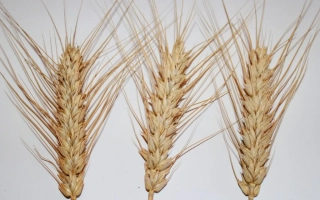
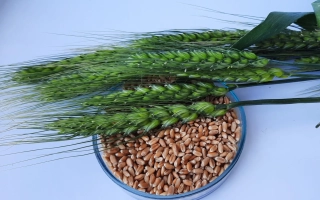
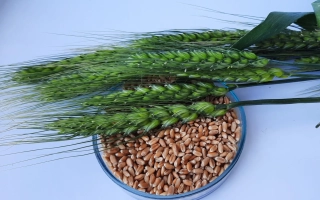
Winter soft wheat variety Ochakovka was developed through individual selection from crossing varieties Shestopalovka and Milutia. This variety is characterized by early heading and ripening, with a vegetation period of 270-275 days. Plants have a vertical habit, height of 85-90 cm, medium-thick hollow sturdy stems, and medium-sized green leaves. The ear is large, 10-12 cm long, medium density, and cylindrical in shape. Grain is oval, elongated, red in color with a well-hairy awn, 1000-grain weight is 45-50 grams. The variety is distinguished by high yield stability due to plasticity and productive reliability, as well as versatility in use, especially in steppe zone crop rotations.
Ochakovka has high resistance to soil and air drought, heat tolerance, as well as comprehensive resistance to all major diseases. Additionally, the variety is resistant to lodging, shattering, and root rot, which helps preserve yield. Grain quality belongs to the group of strong wheats: protein content reaches 16%, gluten content — 32%, flour strength is 405-425 standard units, and bread volume from 100 grams of flour reaches 1125 cm³. Overall bread quality rating — 9.2 points. Average yield over three years of testing was 87.5 centners per hectare, exceeding the standard for Shestopalovka by 6.3 centners per hectare.
In addition to food use, Ochakovka wheat is widely used as a forage crop in livestock farming. Grain contains high protein levels (11-15%), B and E vitamins, as well as lysine and phosphorus, making it a valuable component of compound feeds. Grain moisture during storage should not exceed 15%, ensuring feed preservation and quality. Due to its characteristics, the variety is in demand in agricultural regions, including the Ochakiv district, where purchase prices for wheat remain competitive.
Ochakovka has high resistance to soil and air drought, heat tolerance, as well as comprehensive resistance to all major diseases. Additionally, the variety is resistant to lodging, shattering, and root rot, which helps preserve yield. Grain quality belongs to the group of strong wheats: protein content reaches 16%, gluten content — 32%, flour strength is 405-425 standard units, and bread volume from 100 grams of flour reaches 1125 cm³. Overall bread quality rating — 9.2 points. Average yield over three years of testing was 87.5 centners per hectare, exceeding the standard for Shestopalovka by 6.3 centners per hectare.
In addition to food use, Ochakovka wheat is widely used as a forage crop in livestock farming. Grain contains high protein levels (11-15%), B and E vitamins, as well as lysine and phosphorus, making it a valuable component of compound feeds. Grain moisture during storage should not exceed 15%, ensuring feed preservation and quality. Due to its characteristics, the variety is in demand in agricultural regions, including the Ochakiv district, where purchase prices for wheat remain competitive.
Crop & resistance
Crop
Specifications hover over for a hint about the specification
| Type of Development | |
|---|---|
|
Wheat Type
Wheat Type
Biologically hard wheat differs from soft wheat in its greater demand for soil fertility and agronomic conditions (especially regarding field cleanliness from weeds), lower drought resistance and plasticity, relatively weaker root development, especially nodal roots, and lower ti... |
|
| Growing Season | 270-280 days |
| Plant; height | 80-90 cm |
| Seed: mass 1.000 pcs seeds | 45-50 grams |
|
Grain: gluten content
Grain: gluten content
Raw gluten of grain is a hydrated protein and consists of water-insoluble protein fractions, as well as a small amount of starch, fats, and other substances firmly bound by proteins. Since gluten is primarily composed of proteins, its yield and quality depend on the quantity and... |
More than 30% |
| Resistance to lodging | |
| Potential Yield | 8-9 tons |
| Registration year | 2021 |
| Catalog | Catalog → Wheat |
| Manufacturer | Farmstead 'Bor' |
| Country | Ukraine |
Store offers
Prices are updated on loadLoading offers…
Aggregator catalog: prices are collected automatically from store websites, normalized by AI and converted at the current exchange rate. Before ordering, confirm the price and availability on the store's website. This block is not indexed by search engines — the data is loaded after the page opens.
Not yet комментариев. Be the first!
Alternatives
Wheat seeds · similar varieties




See also
Often considered together with this variety





Recently viewed
Products you’ve viewed on this site
Reviews · 0