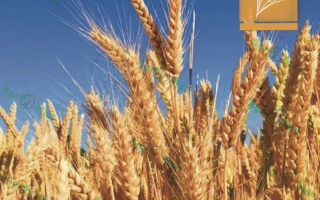
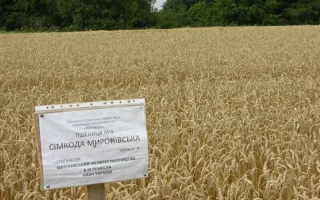
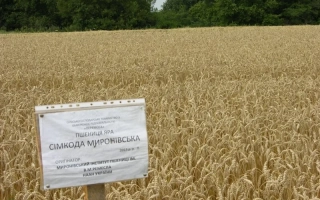
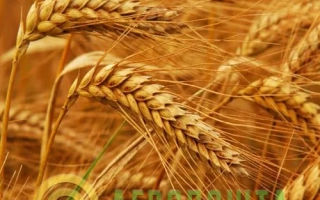
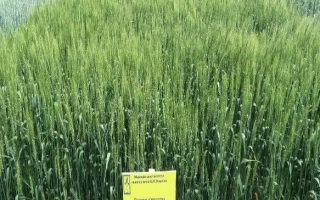
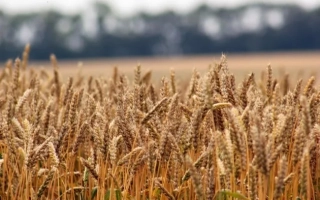
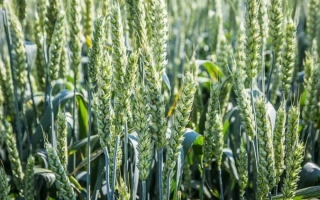
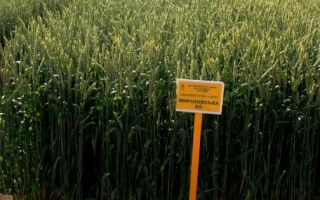
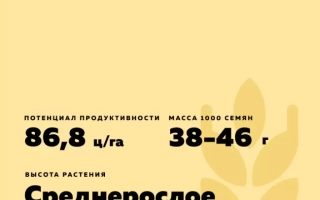
Wheat of the Lipari variety is a winter wheat cultivar of the lutescens type, classified as semi-intensive. This variety is characterized by high potential yield up to 11.5 tons per hectare and a long growing season of 275 days. Stems reach a height of about 80 cm, and the ear length is approximately 11 cm, contributing to good yield formation.
The grain of Lipari wheat has a 1000-grain weight of about 42 grams and a test weight of 845 g/l. Protein content in the grain ranges from 13.5 to 14.1%, and gluten content reaches 27–30%, ensuring high-quality grain suitable for various processing types. The variety exhibits high resistance to pathogens and pests, particularly to powdery mildew (8.6 points) and rust (9 points), significantly reducing the risk of yield loss.
The recommended seeding rate is 4.5–5 million seeds per hectare, which is optimal for forest-steppe and steppe zones. Due to its characteristics and adaptability, Lipari wheat is suitable for cultivation in various climatic conditions, ensuring a stable and high-quality yield.