


SKU #59187
·
29 views
EN ISIDA
Wheat
LLC 'ECO-NIVA-SEEDS'User rating
0 votes0% positive reviews
No ratings yet — be the first.
Type of Development
Winter wheat
Wheat Type
Soft wheat variety
Ostistost'
Without stop
Growing Season
90-100 days
About product

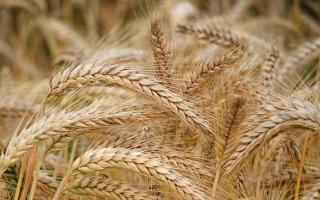
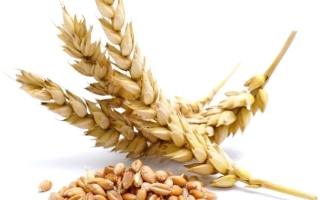
EN ISIDA is a type of intensive winter soft wheat variety, characterized by mid-maturity and high frost and winter hardiness. The plants have a medium height of 70 to 88 cm, with a spindle-shaped, white ear of medium length and density. The mass of 1000 grains is 40-43 g. The variety is distinguished by high bushiness, forming up to 700–800 productive ears, which contributes to high yields reachin…
Type of Development
Winter wheat
Wheat Type
Soft wheat variety
Ostistost'
Without stop
Growing Season
90-100 days
Description
EN ISIDA is a type of intensive winter soft wheat variety, characterized by mid-maturity and high frost and winter hardiness. The plants have a medium height of 70 to 88 cm, with a spindle-shaped, white ear of medium length and density. The mass of 1000 grains is 40-43 g. The variety is distinguished by high bushiness, forming up to 700–800 productive ears, which contributes to high yields reaching a potential of 124.4 centners/hectare. EN ISIDA is resistant to shattering and root germination, and also has good drought resistance, making it a reliable choice for intensive farming. The variety is recommended for cultivation on a high agro-foundation, especially on clean and fallow fields, as well as after legume predecessors. It demonstrates high resistance to major diseases such as powdery and stone smut, powdery mildew, brown rust, and Fusarium head blight, while medium susceptibility is noted to glume blotch. For seed protection, treatment with fungicides with protection against snow mold and insecticides of the neonicotinoid group is recommended. The vegetative period requires two fungicide treatments: at the beginning of stem elongation and before flowering, which contributes to preserving plant health and increasing yield. EN ISIDA belongs to the class of valuable wheat with a beardless ear, which is a distinctive feature of new varieties developed by the Center for Breeding and Primary Seed Production of EKONIVA Group. The variety exhibits high resistance to lodging and plasticity, which allows it to be successfully cultivated in the Central Black Earth and Middle Volga regions. In 2023, the variety showed a maximum yield of 12.44 tons/hectare in the Kursk region, confirming its high productivity and adaptability to intensive farming conditions.
Crop & resistance
Crop
Specifications hover over for a hint about the specification
| Type of Development | |
|---|---|
|
Wheat Type
Wheat Type
Biologically hard wheat differs from soft wheat in its greater demand for soil fertility and agronomic conditions (especially regarding field cleanliness from weeds), lower drought resistance and plasticity, relatively weaker root development, especially nodal roots, and lower ti... |
|
| Ostistost' | |
| Growing Season | 90-100 days |
| Plant; height | 70-80 cm |
| Seed: mass 1.000 pcs seeds | 40-45 grams |
| Winter Hardiness, Ratings (9-1) | 8, 9 |
| Resistance to lodging | |
| Potential Yield | 10-11 tons, 11-12 tons |
| Number of productive stems per hectare | 5.0-5.5 million pcs |
| Registration year | 2024 |
| Catalog | Catalog → Wheat |
| Manufacturer | LLC 'ECO-NIVA-SEEDS' |
| Country | Russia |
Store offers
Prices are updated on loadLoading offers…
Aggregator catalog: prices are collected automatically from store websites, normalized by AI and converted at the current exchange rate. Before ordering, confirm the price and availability on the store's website. This block is not indexed by search engines — the data is loaded after the page opens.
Not yet комментариев. Be the first!
Alternatives
Wheat seeds · similar varieties




See also
Often considered together with this variety







Recently viewed
Products you’ve viewed on this site
Reviews · 0