
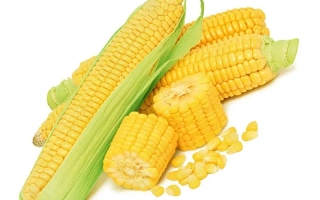


SKU #55775
·
26 views
Krasnodarsky 279
Corn
User rating
0 votes0% positive reviews
No ratings yet — be the first.
FAO
90–1240
Ripening
Mid-early ripening
Hybrid Type
Simple Hybrid, Modified
Kernel Type
Yellow, Flint-dent
About product

A resilient hybrid with excellent disease resistance and consistent performance for both grain and silage.
FAO
90–1240
Ripening
Mid-early ripening
Hybrid Type
Simple Hybrid, Modified
Kernel Type
Yellow, Flint-dent
Description
Stable Yields with «Krasnodarsky 279»
In the world of maize production, finding a hybrid that balances early growth vigor with robust pathogen resistance is the key to minimizing risk. The modified single-cross hybrid «Krasnodarsky 279», developed by the P.P. Lukyanenko National Grain Center, stands out as a dependable choice for growers looking to maximize output in both grain and silage production.
Resilience at the Core
What sets «Krasnodarsky 279» apart from its peers is its exceptional phytosanitary profile. It shows impressive tolerance to common field threats such as Fusarium ear rot, head smut, and stalk rots. Furthermore, its genetic resistance to the European corn borer significantly reduces the need for intensive insecticide applications. For an agronomist, this translates to fewer field interventions and a higher probability of reaching yield potential even in challenging seasons.
Versatility in Cultivation
As a mid-early maturity hybrid, it offers flexibility for crop rotation and harvesting logistics. Its yellow flint-dent kernel type is highly valued for its quality, making it an excellent option for both feed processing and quality silage production. The hybrid's high adaptability is reflected in its flexible planting density: whether your soil conditions allow for a conservative 50,000 plants/ha or intensive management at 80,000 plants/ha, «Krasnodarsky 279» maintains its structural integrity and yield consistency.
The Bottom Line for Producers
«Krasnodarsky 279» is not for those looking to gamble on experimental varieties; it is for professionals who prioritize reliability. It is built to perform in varying climatic conditions, forgiving minor agricultural errors while rewarding good management with stable, high-quality yields. If your goal is to secure your harvest against pests and diseases while maintaining versatility in end-use, this hybrid is a proven, battle-tested solution.
Crop & resistance
Crop
Disease resistance
Pest resistance
Specifications hover over for a hint about the specification
|
FAO
FAO
Corn hybrids are classified by maturity groups and by the FAO number. All corn hybrids are distributed according to the FAO scale. Under Central European conditions, a difference of 10 FAO units between hybrids results in a 1-2 day difference in their maturity. The higher the FAO... |
90–1240 |
|---|---|
| Ripening | Mid-early ripening |
| Hybrid Type | |
|
Kernel Type
Kernel Type
Dent corn (Zea mays indentata) — Large, elongated, flat kernels. The endosperm is horny on the sides of the kernel, mealy in the center and at the top. A depression forms at the top of the kernel upon ripening. Dent corn is the most widely cultivated group among others. Plants ty... |
|
|
Use Direction
Use Direction
Dual-purpose hybrids: for silage and grain in all growing regions. These are "stay-green" type hybrids, meaning the plants remain green for a longer period. However, this does not affect the sugar, cellulose, and hemicellulose content, nor the degree of lignification of the plant... |
|
|
Recommended Density
Recommended Density
Optimal productivity is achieved at a planting density of 4000-5500 plants/ha. Possible planting scheme: 300-500x40-80 cm. |
50-55 thousand pcs/ha, 65-70 thousand pcs/ha, 70-80 thousand pcs/ha |
| Registration year | 2025 |
| Catalog | Catalog → Corn |
| Legal data |
Show · 1 |
| Country | Germany |
Store offers
Prices are updated on loadLoading offers…
Available at: Seller Seeds
Aggregator catalog: prices are collected automatically from store websites, normalized by AI and converted at the current exchange rate. Before ordering, confirm the price and availability on the store's website. This block is not indexed by search engines — the data is loaded after the page opens.
Not yet комментариев. Be the first!
Alternatives
Maize seeds · similar varieties




See also
Often considered together with this variety






Recently viewed
Products you’ve viewed on this site
Reviews · 0