


SKU #37624
·
29 views
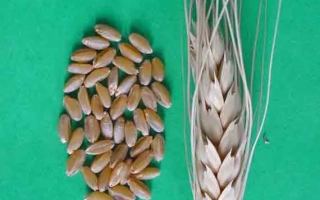
Wheat Bilozerkivska Spelt Wheat
Wheat
User rating
0 votes0% positive reviews
No ratings yet — be the first.
Type of Development
Winter wheat
Ostistost'
Without stop
Plant; height
100-110 cm, 110-120 cm
Grain: gluten content
25-30%
About product

Winter wheat with high gluten content and strong genetic immunity against fungal diseases.
Type of Development
Winter wheat
Ostistost'
Without stop
Plant; height
100-110 cm, 110-120 cm
Grain: gluten content
25-30%
Description
Reliability and Quality: Why "Vyshyvanka" is a Top Choice for Professionals
The "Vyshyvanka" winter wheat variety, developed by the O.K. Kolomiets Belotserkovskaya Research Station, is engineered for agronomists who prioritize consistent yields. Unlike many foreign hybrids that demand ideal environments, this Ukrainian variety demonstrates remarkable plasticity and resilience across various climate conditions.
Key Advantages
- High Grain Quality: A gluten content of 25–30% classifies this variety as high-value wheat, facilitating easier sales to exporters and flour mills.
- Phytosanitary Defense: Its primary strength is genetic resistance to brown rust. Breeders have specifically reinforced its defense against powdery mildew, effectively reducing the need for intensive fungicide applications during high-humidity seasons.
- Morphological Traits: The awnless ear simplifies harvesting, while the plant height of 100–120 cm provides an ideal balance between biomass production and resistance to lodging.
Who is this variety for?
"Vyshyvanka" is perfectly suited for farms seeking the "golden mean" between yield potential and disease resistance. It does not require overly complex management strategies, remaining stable across a wide range of soil and climatic zones. This variety is the choice for those who prefer proven domestic breeding that delivers predictable results while optimizing expenditure on plant protection products.
Crop & resistance
Crop
Disease resistance
Specifications hover over for a hint about the specification
| Type of Development | |
|---|---|
| Ostistost' | |
| Plant; height | 100-110 cm, 110-120 cm |
|
Grain: gluten content
Grain: gluten content
Raw gluten of grain is a hydrated protein and consists of water-insoluble protein fractions, as well as a small amount of starch, fats, and other substances firmly bound by proteins. Since gluten is primarily composed of proteins, its yield and quality depend on the quantity and... |
25-30% |
| Registration year | 2020 |
| Catalog | Catalog → Wheat |
| Legal data |
Show · 1
|
| Country | Ukraine |
Store offers
Prices are updated on loadLoading offers…
Aggregator catalog: prices are collected automatically from store websites, normalized by AI and converted at the current exchange rate. Before ordering, confirm the price and availability on the store's website. This block is not indexed by search engines — the data is loaded after the page opens.
Not yet комментариев. Be the first!
Alternatives
Wheat seeds · similar varieties






See also
Often considered together with this variety






Recently viewed
Products you’ve viewed on this site
Reviews · 0