


SKU #73223
·
41 views
STEPNY
Sweet Clover
Rossorgo Research InstituteUser rating
0 votes0% positive reviews
No ratings yet — be the first.
Type
White yarrow
Plant Height
150–200
Usage
Green Mass
Registration year
2009
About product

A reliable choice for consistent green mass yields in arid climate conditions.
Type
White yarrow
Plant Height
150–200
Usage
Green Mass
Registration year
2009
Description
Field Experience with «Stepnoy» Sweet Clover
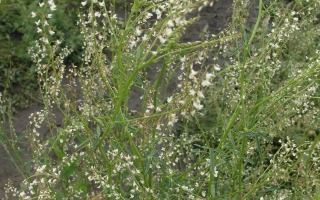
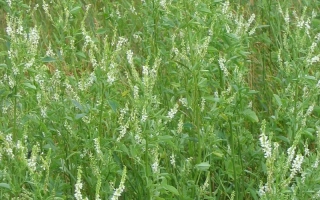
When dealing with forage crops in arid regions, the «Stepnoy» white sweet clover from RosNIISK «Rossorgo» stands out as a reliable option. With plants reaching 150–200 cm, it consistently provides a solid volume of green mass, even in fields where other legumes struggle under heat stress. Its primary value for a farm operator is its predictability and low-maintenance requirements.
Operational Performance and Productivity
The strength of this variety lies in its deep root system, which allows it to thrive without complex irrigation systems. From a forage harvesting perspective, «Stepnoy» is efficient, provided the cutting schedule is strictly followed. The key is to hit the budding stage to capture maximum nutritional value before the stems become too fibrous.
Key Considerations for Successful Cultivation
- Harvest Timing: Avoid delayed harvesting. If the plants are left too long, the stems harden, which significantly impacts livestock intake and feed quality.
- Regrowth: The variety shows excellent recovery potential after the first cut, which helps in planning seasonal fieldwork and optimizing machinery usage.
- Soil Management: While the variety is «Steppe»-hardy by nature, high-quality seedbed preparation remains the best investment for reaching the top end of the yield potential.
For operations looking to secure a feed supply in challenging climates, the «Stepnoy» variety from «Rossorgo» is a practical tool that delivers consistent results without unnecessary complications. It is built for endurance and high output when conditions are at their toughest.
Crop & resistance
Crop
Specifications hover over for a hint about the specification
|
Type
Type
Galia (Galia) type — relatively new, of Israeli origin, although there are indications that this variety may originate from Spain. The fruits of this type are round or oval, weighing about 1 kg. The surface is smooth, covered with a delicate, connected netting, turning yellow whe... |
|
|---|---|
| Plant Height | 150–200 |
| Usage | |
| Registration year | 2009 |
| Catalog | Catalog → Sweet Clover |
| Manufacturer | Rossorgo Research Institute |
| Legal data |
Show · 7
|
| Country | Russia |
Store offers
Prices are updated on loadLoading offers…
Aggregator catalog: prices are collected automatically from store websites, normalized by AI and converted at the current exchange rate. Before ordering, confirm the price and availability on the store's website. This block is not indexed by search engines — the data is loaded after the page opens.
Not yet комментариев. Be the first!
Alternatives
Sweet Clover · similar varieties





See also
Often considered together with this variety



Recently viewed
Products you’ve viewed on this site
Reviews · 0