


SKU #60885
·
29 views
Sugar beet RMS 130
Sugar Beet
FGBNU VNII Saharnoj Svekly i Sahara imeni A.L. MazlumovaPrices in stores
No offers yet — stores have not added prices for this product yet.
Similar varieties with prices
-
Hero
from 2.48 €за л
-
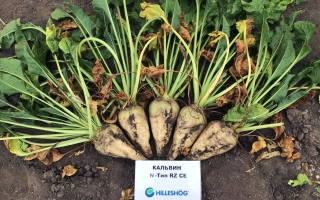 CALVINDLF
from 0.3 €
CALVINDLF
from 0.3 €
-
 7 T_1113PRODIMEX LLC
from 2.77 €
7 T_1113PRODIMEX LLC
from 2.77 €
-
 WAWILOWSTRUBE
from 5.94 €за л
WAWILOWSTRUBE
from 5.94 €за л
Direction Type
Sugar-type (Z)
Ploidy Type
Diploid
Root vegetable: size
Medium
Root: shape
Oval-conical
Your mark
0 votes
0% positive ratings
Description
RMS 130 is a late-maturing hybrid of sugar beet, belonging to single-seed diploid plants on a Z-type sterile basis. It is recommended for cultivation in the Krasnodar Krai and the North Caucasus region, where it demonstrates high root crop yield—approximately 452.8 centners per hectare, with 17.8% sugar content in the roots and a sugar harvest of 80.3 centners per hectare. During testing, the hybrid showed resistance to major diseases: very weak damage from beet webworm, weak from cercosporosis, and moderate from powdery mildew.
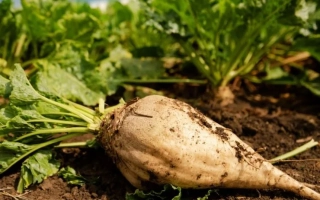
Sugar beet RMS 130 is characterized by an elongated root crop weighing from 0.3 to 0.6 kg with white flesh and a light green rosette of leaves. This crop is heat-loving and heat-tolerant, with an optimal growth and development temperature of 20-22°C, although photosynthesis proceeds effectively even at temperatures above 40°C. Seeds germinate over a wide temperature range from +4 to +17°C, with an optimal germination temperature of 10-12°C. To improve germination, seeds are soaked in warm water for 2-3 days with periodic water replacement before sowing, and the sowing depth is 2-3 cm.
RMS 130 requires adequate moisture, especially during the intensive growth of root crops in July-August. Thanks to a well-developed root system capable of absorbing moisture from depths up to 2.5 meters, the hybrid withstands drought well. In the pre-harvest period, the plant can withstand frosts down to -5°C without damage to sugar accumulation. Harvest is collected at the end of September—beginning of October, and storage of root crops is recommended at temperatures of +1…+5°C. In addition to use in the sugar industry, root crops can be used in cooking and as animal feed.
Sugar beet RMS 130 is characterized by an elongated root crop weighing from 0.3 to 0.6 kg with white flesh and a light green rosette of leaves. This crop is heat-loving and heat-tolerant, with an optimal growth and development temperature of 20-22°C, although photosynthesis proceeds effectively even at temperatures above 40°C. Seeds germinate over a wide temperature range from +4 to +17°C, with an optimal germination temperature of 10-12°C. To improve germination, seeds are soaked in warm water for 2-3 days with periodic water replacement before sowing, and the sowing depth is 2-3 cm.
RMS 130 requires adequate moisture, especially during the intensive growth of root crops in July-August. Thanks to a well-developed root system capable of absorbing moisture from depths up to 2.5 meters, the hybrid withstands drought well. In the pre-harvest period, the plant can withstand frosts down to -5°C without damage to sugar accumulation. Harvest is collected at the end of September—beginning of October, and storage of root crops is recommended at temperatures of +1…+5°C. In addition to use in the sugar industry, root crops can be used in cooking and as animal feed.
Crop & resistance
Crop
Disease resistance
Specifications
| Direction Type | |
|---|---|
| Ploidy Type | |
| Root vegetable: size | |
| Root: shape | |
| Sugar Content | 17-18% |
| Registration year | 2014 |
| Catalog | Catalog → Sugar Beet |
| Manufacturer | FGBNU VNII Saharnoj Svekly i Sahara imeni A.L. Mazlumova |
| Country | Russia |
No reviews yet. Be the first to share your experience.
Alternatives
Sugar beet seeds · similar varieties






See also
Often considered together with this variety









Recently viewed
Products you’ve viewed on this site
Reviews