


SKU #61063
·
33 views
POL 367
Sugar Beet
SESVANDERHAVE NV/SAUser rating
0 votes0% positive reviews
No ratings yet — be the first.
Root vegetable; size
Medium
Root; shape
Cylindrical-conical
Registration year
2004
About product

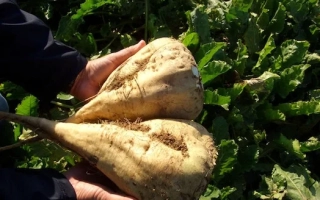
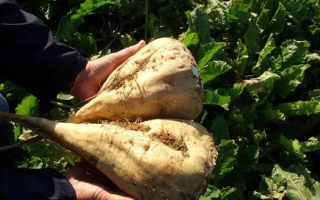
POL 367 is a sugar beet variety intended for cultivation in a temperate climate. The root has a cylinder-cone shape, with an average fruit weight of about 700 grams. The root surface is relatively smooth, which facilitates harvesting and reduces soil adhesion. The leaf rosette is semi-spread, with medium-sized, whole, and moderately corrugated leaf blades. The root system is taproot, penetrating t…
Root vegetable; size
Medium
Root; shape
Cylindrical-conical
Registration year
2004
Description
POL 367 is a sugar beet variety intended for cultivation in a temperate climate. The root has a cylinder-cone shape, with an average fruit weight of about 700 grams. The root surface is relatively smooth, which facilitates harvesting and reduces soil adhesion. The leaf rosette is semi-spread, with medium-sized, whole, and moderately corrugated leaf blades. The root system is taproot, penetrating the soil to a depth of 2-2.5 meters, which contributes to the plant's drought resistance and ensures good nutrition.
Sugar beet POL 367 is distinguished by high resistance to adverse weather conditions, including heat and cold, as well as to diseases such as cercosporosis, powdery mildew, and root rot. The vegetative period is up to 120 days, corresponding to medium maturation. Thanks to universal and waste-free use, all parts of the plant find application: roots are used for sugar and molasses production, as well as in cooking for preparing borscht and kvass. Moreover, the culture serves as a fodder base, providing a significant amount of fodder units and digestible protein both in roots and in tops.
For successful cultivation, it is recommended to sow seeds in April at a depth of 2-3 cm with a row spacing of 50 cm and a distance between plants of 20 cm. Harvesting is carried out from July to September. Beet POL 367 requires moderate irrigation, good drainage, and sufficient sunlight. Observance of agrotechnical conditions, including proper fertilization and sowing dates, contributes to obtaining a high and quality yield.
Sugar beet POL 367 is distinguished by high resistance to adverse weather conditions, including heat and cold, as well as to diseases such as cercosporosis, powdery mildew, and root rot. The vegetative period is up to 120 days, corresponding to medium maturation. Thanks to universal and waste-free use, all parts of the plant find application: roots are used for sugar and molasses production, as well as in cooking for preparing borscht and kvass. Moreover, the culture serves as a fodder base, providing a significant amount of fodder units and digestible protein both in roots and in tops.
For successful cultivation, it is recommended to sow seeds in April at a depth of 2-3 cm with a row spacing of 50 cm and a distance between plants of 20 cm. Harvesting is carried out from July to September. Beet POL 367 requires moderate irrigation, good drainage, and sufficient sunlight. Observance of agrotechnical conditions, including proper fertilization and sowing dates, contributes to obtaining a high and quality yield.
Crop & resistance
Crop
Disease resistance
Specifications hover over for a hint about the specification
| Root vegetable; size | |
|---|---|
|
Root; shape
Root; shape
Roots can be round, elongated-round, cylindrical, conical. |
|
| Registration year | 2004 |
| Catalog | Catalog → Sugar Beet |
| Manufacturer | SESVANDERHAVE NV/SA |
| Legal data |
Show · 2
|
| Country | Belgium |
Store offers
Prices are updated on loadLoading offers…
Aggregator catalog: prices are collected automatically from store websites, normalized by AI and converted at the current exchange rate. Before ordering, confirm the price and availability on the store's website. This block is not indexed by search engines — the data is loaded after the page opens.
Not yet комментариев. Be the first!
Alternatives
Sugar beet seeds · similar varieties






See also
Often considered together with this variety






Recently viewed
Products you’ve viewed on this site
Reviews · 0