


SKU #46513
·
58 views
Sorghum KALAHARI
Sorghum
LideaUser rating
0 votes0% positive reviews
No ratings yet — be the first.
Direction
Grain
Vegetation Period
90-100 days
Grain; Color
Red
Registration year
2024
About product

A reliable grain hybrid of French breeding with a short 90-100 day maturity cycle.
Direction
Grain
Vegetation Period
90-100 days
Grain; Color
Red
Registration year
2024
Description
French breeding for arid environments
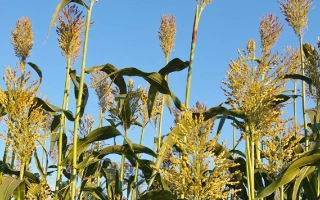
Sorghum "Kalahari" by Lidea is the answer from the European breeding school Eurosorgho to the challenges of global warming. Developed with the expertise of breeder Franck Chauveau, this grain hybrid is aimed at farmers operating in regions with moisture deficits and high summer temperatures.
Agronomic portfolio and yield potential
Choosing "Kalahari" is a sound decision for intensive farming operations where the growing period is critical. With a maturity cycle of 90 to 100 days, this hybrid allows for flexible harvest planning, ensuring maximum grain yield before autumn cold sets in. Its red grain boasts excellent market qualities, making the crop highly sought after by both compound feed producers and the food industry.
- Usage: Grain-focused direction.
- Adaptability: High resistance to lodging and environmental stress.
- Genetics: Professional selection of Eurosorgho lines ensures stable yields even under erratic rainfall patterns.
The reputation of the Lidea brand in the sorghum market is built upon strict quality control of seed material. "Kalahari" does more than just occupy a slot in the manufacturer's lineup; it acts as a reliable risk-management tool for farms where corn often fails to pay off due to drought. Opting for this hybrid is an investment in guaranteed performance in high-risk agricultural zones.
Crop & resistance
Crop
Specifications hover over for a hint about the specification
|
Direction
Direction
Existing varieties and types of cabbage are grown for fresh consumption, long-term storage, and technical processing. |
|
|---|---|
| Vegetation Period | 90-100 days |
| Grain; Color | |
| Registration year | 2024 |
| Catalog | Catalog → Sorghum |
| Manufacturer | Lidea |
| Legal data |
Show · 4
|
| Country | France |
Store offers
Prices are updated on loadLoading offers…
Aggregator catalog: prices are collected automatically from store websites, normalized by AI and converted at the current exchange rate. Before ordering, confirm the price and availability on the store's website. This block is not indexed by search engines — the data is loaded after the page opens.
Not yet комментариев. Be the first!
Alternatives
Sorghum seeds · similar varieties


See also
Often considered together with this variety






Recently viewed
Products you’ve viewed on this site
Reviews · 0