
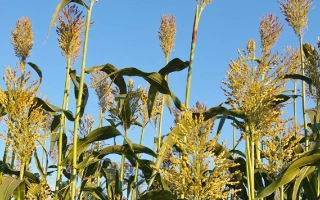

SKU #74468
·
47 views
Sorghum Cros
Sorghum
User rating
0 votes0% positive reviews
No ratings yet — be the first.
Direction
Grain
Registration year
2013
About product

Technologically advanced grain hybrid designed for stable yields in moisture-stressed environments.
Direction
Grain
Registration year
2013
Description
Technical Potential of «Kros» Grain Sorghum
Developed by the Selection and Genetics Institute (Odesa), this product is a prime example of adaptive breeding for grain sorghum, optimized for consistent grain filling within the continental climate of Ukraine. The hybrid leverages the genetic potential of inbred lines specifically selected for resilience against rapid moisture fluctuations and extreme heat stress during the anthesis period.
Vegetation Engineering Parameters
- Productivity Profile: Specialized grain-focused architecture. The breeding priority was maximizing head density, minimizing unproductive energy expenditure on excessive vegetative biomass.
- Morphological Structure: The stiff stem and uniform stand height ensure high harvesting efficiency for direct combining. Optimized plant height allows for streamlined machinery operation without the need for complex header adjustments.
- Protection Mechanism: Thanks to genetically fixed resistance to lodging and shattering, «Kros» provides flexibility in harvest timing, effectively mitigating yield losses if field access is delayed.
Practical Breeding Significance
Integrating this hybrid into a crop rotation cycle addresses the challenge of stabilizing total yields on marginal or drought-prone soils. The core advantage of this hybrid lies in its capacity for rapid translocation of photosynthetic products into the grain during the wax maturity phase. This is critical for producers in high-risk farming zones where active growing seasons are restricted by rapid soil moisture depletion. The stability of the grain fraction makes «Kros» a preferred choice for operations focused on exports or developing high-carbohydrate feedstocks.
Crop & resistance
Crop
Specifications hover over for a hint about the specification
|
Direction
Direction
Existing varieties and types of cabbage are grown for fresh consumption, long-term storage, and technical processing. |
|
|---|---|
| Registration year | 2013 |
| Catalog | Catalog → Sorghum |
| Legal data |
Show · 1
|
| Country | Ukraine |
Store offers
Prices are updated on loadLoading offers…
Aggregator catalog: prices are collected automatically from store websites, normalized by AI and converted at the current exchange rate. Before ordering, confirm the price and availability on the store's website. This block is not indexed by search engines — the data is loaded after the page opens.
Not yet комментариев. Be the first!
Alternatives
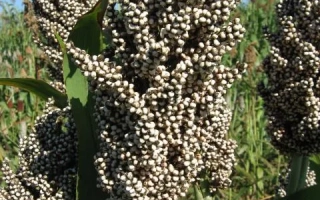
Sorghum seeds · similar varieties




See also
Often considered together with this variety


Recently viewed
Products you’ve viewed on this site
Reviews · 0