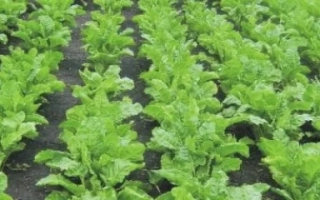
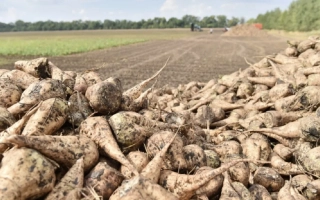
Sugar beet SKMS 12169 is an important sugar-bearing crop widely used in temperate climates. Modern sugar beet varieties, including this hybrid, are characterized by high sugar content, reaching 18-20%, which makes them valuable raw material for the sugar industry. Additionally, sugar beet serves as an effective fodder crop: in 100 kg of root crops there are about 25 feed units and 1.2 kg of digestible protein, while the tops provide additional nutrition with 20 feed units and 2.2 kg of digestible protein. SKMS 12169 belongs to single-stemmed triploid MS hybrids developed by the experimental-breeding stations of the Sugar Beet Institute. This hybrid is distinguished by high root crop yield, reaching an average of 533 centners per hectare, with sugar content of about 17.2% and sugar output of 91.7 centners per hectare. Such figures make it particularly attractive for cultivation in the Forest-steppe and Polesye zones, where it is recommended for growing. A by-product of sugar beet processing is beet pulp, which is widely used in animal husbandry as feed for cows. Pulp contains 6–7.5% dry matter and 0.2–0.4% sugar, rich in fiber, pectin substances, vitamins, and minerals, which improves feed digestibility. There are several types of pulp—fresh unpressed, fresh pressed, sour, silaged, and dried, each having its own features regarding nutrient content and storage periods. Dried pulp is especially valuable with high dry matter content (86–93%), possessing increased fodder value.