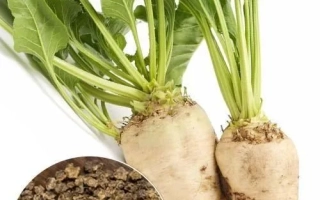
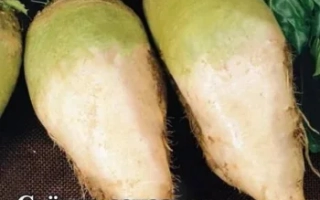
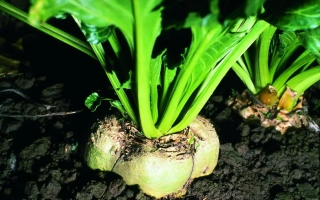
Sugar beet 0 RV 6010 is a high-sugar diploid hybrid of the NZ type, designed for cultivation in various climatic zones, including the Polesie, Forest Steppe, and Steppe. The plant forms a rosette of semi-erect leaves with 50 to 60 leaflets, and its root system is taprooted, penetrating to a depth of 2-2.5 meters and branching to a width of 1-1.2 meters. The root crop has a cylindrical-conical shape, is large, and is fully embedded in the soil, which contributes to its stability and high yield.
Hybrid 0 RV 6010 is distinguished by its resistance to the main diseases of sugar beet, such as cercospora, powdery mildew, and root rot. The sugar content of the root crops is 18-19%, which corresponds to modern standards for high-sugar varieties. Yield varies depending on the region and growing conditions: from 600-650 centners per hectare in Polesie to 850-950 centners on irrigated lands in the Steppe zone.
Sugar beet 0 RV 6010 is an important crop not only for sugar production but also as a fodder crop. 100 kg of root crops contain a significant amount of feed units and digestible protein, making it useful for livestock farming. Successful cultivation requires adherence to agronomic measures, including regular irrigation, protection from pests and diseases, and proper fertilization, which ensures a stable and high yield.