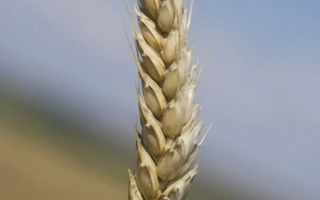
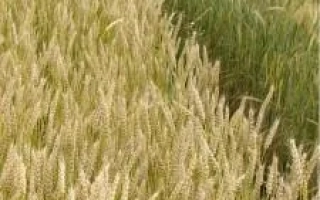
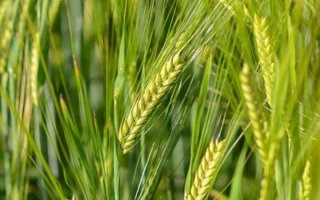
Zarnitsa is a variety of soft winter wheat (Triticum aestivum L.) characterized by a medium-early maturity period and medium plant height. Plants reach a height of 68 to 102 cm, and the mass of 1000 grains is 38-50 g. The variety exhibits lodging resistance and above-average winter hardiness, ensuring reliable overwintering. It matures 1-2 days earlier than the standard Donskaya bezostaya, although its drought resistance is slightly lower — by 0.5-1.0 points. Regarding disease resistance, the variety is moderately resistant to powdery mildew and hardened bunt, but susceptible to brown rust, fusarium head blight, and yellow rust. To protect Zarnitsa wheat from a wide range of diseases, the combined systemic-contact fungicide Zarnitsa is used. It contains active ingredients azoxystrobin (200 g/L) and epoxiconazole (187.5 g/L), which ensures effective protection against powdery mildew, septoria, fusarium, brown and stem rust, pyrenophora, dark brown speckle, and olive mold. The fungicide acts both systemically and contact-wise, preventing the development of resistance in disease pathogens and providing a long-lasting protective and therapeutic effect. The preparation is released as a 10-liter suspension concentrate and is applied at a rate of 0.5–0.75 L/ha for winter wheat. It is resistant to rain wash-off, which maintains treatment effectiveness under unfavorable weather conditions. In addition to wheat, the Zarnitsa fungicide is also used to protect rapeseed, sunflower, and soybeans, making it a universal means for protecting various agricultural crops.