


Prices in stores
from8.64 €per 1 kg
pack from 172.71 € per 20 l
1 offer from 1 store
Direction
Table Potato, Potato for chips
Tuber: shape
Oval, Oval elongated
Tuber: skin color
Light yellow (white)
Tuber: flesh color
Creamy
Your mark
0 votes
0% positive ratings
Store offers · 1 from 1 store
1 offer in 1 store — from 8.64 € per 1 kg.
Available at: Agrofon
Prices are collected automatically from store websites and converted at the current exchange rate. Check the price and availability on the store website before ordering.
About product
A high-marketability multi-purpose variety optimized for mechanical harvesting and chip processing.
Description
Technical Profile of the 'Panda' Potato Variety
German breeding by Solana traditionally focuses on the synergy between yield potential and technical efficiency, and 'Panda' is a prime example. This variety is classified as multi-purpose, effectively serving both the fresh market and the deep processing segment (chips).
Tuber Morphology and Development
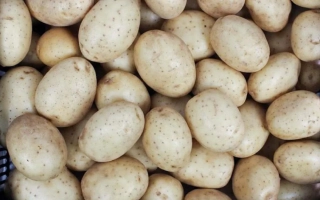
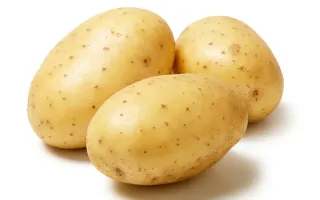
The morphology of 'Panda' tubers is optimized for automated sorting. Its oval and elongated-oval shape minimizes mechanical damage during harvest. With a commercial fraction weight ranging from 50 to 130 grams, the variety demonstrates high uniformity, significantly reducing calibration losses on packaging lines.
- Skin: Smooth, light yellow (off-white) in color, with a high density that ensures excellent storability.
- Flesh: Creamy, with a balanced dry matter content, making the variety suitable for high-quality chip production without the risk of excessive darkening during frying.
Phytosanitary Resistance
Solana’s breeding efforts prioritize the genetic defense of 'Panda' against the most dangerous soil-borne pathogens. The variety features robust resistance to:
- Potato Wart (Synchytrium endobioticum): Its inherent immunity allows cultivation in infested fields without the risk of total crop loss.
- Potato Cyst Nematode (Globodera rostochiensis): The genetic barrier inhibits pest population development, making it an ideal choice for intensive crop rotations where soil health may be challenged.
Practical Conclusion: 'Panda' is a high-performance tool for growers focused on consistent product appearance and predictable processing results. The lack of tuber deformity, combined with its high biological resilience, makes this variety an economically viable asset in the supply chain from field to retail.
Crop & resistance
Crop
Disease resistance
Pest resistance
Specifications
| Direction | |
|---|---|
| Tuber | |
| Shape | |
| Skin color | |
| Flesh color | |
| Skin structure | |
| Mass | 50-130 grams |
| Registration year | 2003 |
| Catalog | Catalog → Potato |
| Manufacturer | Solana |
| Country | Germany |
No reviews yet. Be the first to share your experience.
Alternatives
Seed potatoes · similar varieties


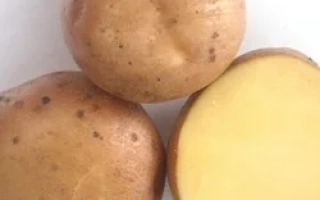
Chernihivskaya Rannaya
Chernihiv Elite Potato Research and Production Association
060 1 offer
2.18 €per 1 kg ≈ 111 ₴



See also
Often considered together with this variety




Recently viewed
Products you’ve viewed on this site
Reviews