


Prices in stores
No offers yet — stores have not added prices for this product yet.
Similar varieties with prices
-
EsmeeAGRICO
from 0.99 €per 1 kg
-
 LabellaSolana
from 0.99 €per 1 kg
LabellaSolana
from 0.99 €per 1 kg
-
 Queen AnneSolana
from 0.94 €per 1 kg
Queen AnneSolana
from 0.94 €per 1 kg
-
 MozartHZPC
from 25.32 €за л
MozartHZPC
from 25.32 €за л
Direction
Storage
Tuber: skin color
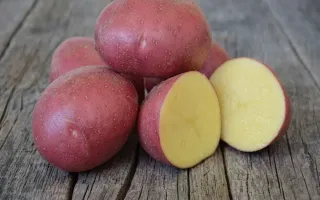
Red, Pink
Tuber: flesh color
Creamy
Tuber: eye depth
Shallow
Your mark
0 votes
0% positive ratings
About product
A reliable table variety with excellent storage potential, strong disease resistance, and high commercial appeal.
Description
Stable Yield for Long-Term Storage
The «Belana» variety from the German breeding giant Europlant Pflanzenzucht is a top-tier choice for operations focused on long-term storage and the supply of high-quality table potatoes. The main advantage of this variety lies in its uniformity and excellent tuber quality, which retains its visual appeal even after several months in storage facilities.
Agronomic Advantages
For agronomists, «Belana» is highly valued for its resilience against a wide range of soil-borne pathogens. Growing this variety significantly reduces risks in fields with a history of pressure from diseases such as:
- Rhizoctonia and root rots;
- Common scab and blackleg;
- Potato wart and potato cyst nematodes.
Due to its high resistance to late blight, the variety allows for an optimized plant protection schedule, saving costs without compromising yield quality.
Practical Application and Tuber Characteristics
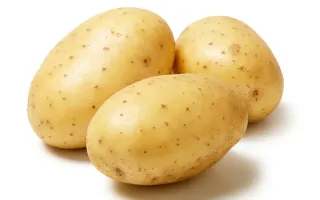
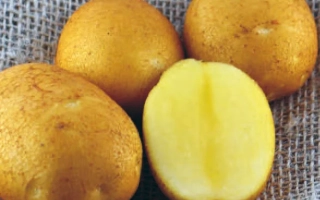
Visually, «Belana» stands out with its attractive skin color, ranging from deep pink to red, making it highly desirable in retail chains. The creamy flesh and shallow eyes simplify primary processing and washing, reducing product loss on sorting lines. In intensive farming, the variety responds well to fertilization and proper irrigation, producing tubers of uniform weight and size.
This variety is ideal for farms focusing on retail supply, where the external appearance of the tuber plays a decisive role in pricing. Its disease resistance and suitability for long-term storage make «Belana» a predictable and highly profitable asset in any crop rotation program.
Crop & resistance
Crop
Disease resistance
Pest resistance
Specifications
| Direction | |
|---|---|
| Tuber | |
| Skin color | |
| Flesh color | |
| Eye depth | |
| Registration year | 2025 |
| Catalog | Catalog → Potato |
| Manufacturer | Europlant Pflanzenzucht GmbH |
| Legal data |
Show · 10
|
| Country | Germany |
No reviews yet. Be the first to share your experience.
Alternatives
Seed potatoes · similar varieties





See also
Often considered together with this variety





Recently viewed
Products you’ve viewed on this site
Reviews