

SKU #43916
·
84 views
Blue Belle
Potato
GERMICOPA BREEDING SASUser rating
0 votes0% positive reviews
No ratings yet — be the first.
Direction
Table Potato
Beginning of fruiting
95-105 days
Corm; shape
Oval
Corm; skin color
Yellow, Pink
Store offers · 2 from 2 stores
Prices are updated on loadLoading offers…
Available at: Bagros · Green Optima · Traskovskyi
Aggregator catalog: prices are collected automatically from store websites, normalized by AI and converted at the current exchange rate. Before ordering, confirm the price and availability on the store's website. This block is not indexed by search engines — the data is loaded after the page opens.
About product

Blue Belle potato — a mid-late maturing table variety of English origin, characterized by high yield and excellent adaptability to various climatic and soil conditions. The vegetation period ranges from 90 to 110 days, allowing cultivation in diverse regions. Tubers are oval-shaped with a smooth surface and blunt, curved ends, weighing up to 180 grams, with 15 to 20 tubers per plant. Yield potenti…
Direction
Table Potato
Beginning of fruiting
95-105 days
Corm; shape
Oval
Corm; skin color
Yellow, Pink
Description
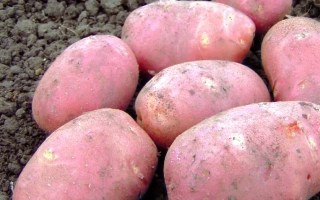
Blue Belle potato — a mid-late maturing table variety of English origin, characterized by high yield and excellent adaptability to various climatic and soil conditions. The vegetation period ranges from 90 to 110 days, allowing cultivation in diverse regions. Tubers are oval-shaped with a smooth surface and blunt, curved ends, weighing up to 180 grams, with 15 to 20 tubers per plant. Yield potential reaches 300–550 centners per hectare, making it attractive for commercial cultivation. The skin of Blue Belle tubers is smooth, semi-thick, and dense, with a golden-yellow hue and distinctive pink or purplish speckles resembling a smile, located around the eyes. The flesh is creamy or pale-yellow, finely granular, smooth, and firm with a waxy consistency. Starch content in tubers ranges from 8 to 14%, ensuring versatility in culinary applications. Blue Belle is suitable for salads, soups, frying, and baking, with flesh retaining its color during thermal processing, preserving its appealing appearance and flavor. The variety exhibits high resistance to mechanical damage and excellent storability (up to 93%), ensuring long-term storage without quality loss. Blue Belle is resistant to potato cancer, Yo virus, and late blight, though it may be susceptible to nematodes, dry rot, black leg, and tuber blight after maturity. Thanks to its adaptability and resistance to adverse factors, this variety is a reliable choice for cultivation under various conditions and ensures a consistent, high-quality yield.
Crop & resistance
Crop
Disease resistance
Specifications hover over for a hint about the specification
|
Direction
Direction
Existing varieties and types of cabbage are grown for fresh consumption, long-term storage, and technical processing. |
|
|---|---|
|
Beginning of fruiting
Beginning of fruiting
The early maturity of watermelon varieties mainly depends on the duration of growth and fruit ripening phases, rather than the timing of female flower blooming. Many varieties, ripening at different times, begin to bloom almost simultaneously. Approximately 30 days after fruit se... |
95-105 days |
| Corm; shape | |
| Corm; skin color | |
| Corm; flesh color | |
| Corm; skin structure | |
| Corm; mass | Up to 50 grams, 50-130 grams |
| Registration year | 2023 |
| Catalog | Catalog → Potato |
| Manufacturer | GERMICOPA BREEDING SAS |
| Country | France |
Not yet комментариев. Be the first!
Alternatives
Seed potatoes · similar varieties






See also
Often considered together with this variety





Recently viewed
Products you’ve viewed on this site
Reviews · 0