


SKU #52555
·
68 views
ALUET
Potato
AGRICOUser rating
0 votes0% positive reviews
No ratings yet — be the first.
Beginning of fruiting
75-85 days
Corm; shape
Oval
Corm; flesh color
Light Yellow
Corm; skin structure
Smooth
Prices in stores
from2.2 €per 1 kg
pack from 2.44 € per 1 kg
2 offers from 1 store
Store offers · 2 from 1 stores
Prices are updated on loadLoading offers…
Available at: Добродар
Aggregator catalog: prices are collected automatically from store websites, normalized by AI and converted at the current exchange rate. Before ordering, confirm the price and availability on the store's website. This block is not indexed by search engines — the data is loaded after the page opens.
About product

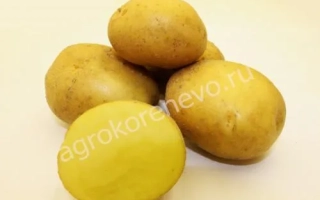
The potato variety Aluët is a mid-season universal variety developed in the Netherlands. The tubers of this variety are large, oval-shaped, with a smooth surface and dark-red skin, and the flesh is light-yellow and dense. The weight of the tubers ranges from 97 to 130 grams. The plants are of medium height with dark-green leaves, ensuring good plant development during the vegetative period, which…
Beginning of fruiting
75-85 days
Corm; shape
Oval
Corm; flesh color
Light Yellow
Corm; skin structure
Smooth
Description
The potato variety Aluët is a mid-season universal variety developed in the Netherlands. The tubers of this variety are large, oval-shaped, with a smooth surface and dark-red skin, and the flesh is light-yellow and dense. The weight of the tubers ranges from 97 to 130 grams. The plants are of medium height with dark-green leaves, ensuring good plant development during the vegetative period, which lasts 70-80 days. The first young harvest can be collected as early as the 45th day after planting.
The Aluët variety is characterized by high yield, reaching up to 450 centners per hectare, and high tuber marketability — from 81 to 96%. It is resistant to major potato diseases, such as late blight of leaves and tubers, potato scab, as well as to golden potato cyst nematode and the effect of Y-viruses. Thanks to these qualities, the variety is suitable for both conventional and organic cultivation, especially in central regions. Moderate drought resistance and high tuber storability (up to 96%) ensure the preservation of the harvest and its market appearance after harvest.
The Aluët potato is versatile in culinary use: it is excellent for frying, boiling, and baking, as well as for preparing various dishes and salads. It is recommended to preheat the planting material before sowing to improve germination and plant development. This variety combines high productivity, disease resistance, and excellent taste qualities, making it an attractive choice for farmers and potato enthusiasts.
The Aluët variety is characterized by high yield, reaching up to 450 centners per hectare, and high tuber marketability — from 81 to 96%. It is resistant to major potato diseases, such as late blight of leaves and tubers, potato scab, as well as to golden potato cyst nematode and the effect of Y-viruses. Thanks to these qualities, the variety is suitable for both conventional and organic cultivation, especially in central regions. Moderate drought resistance and high tuber storability (up to 96%) ensure the preservation of the harvest and its market appearance after harvest.
The Aluët potato is versatile in culinary use: it is excellent for frying, boiling, and baking, as well as for preparing various dishes and salads. It is recommended to preheat the planting material before sowing to improve germination and plant development. This variety combines high productivity, disease resistance, and excellent taste qualities, making it an attractive choice for farmers and potato enthusiasts.
Video · 2 videos
Suggest a video →Crop & resistance
Crop
Disease resistance
Pest resistance
Specifications hover over for a hint about the specification
|
Beginning of fruiting
Beginning of fruiting
The early maturity of watermelon varieties mainly depends on the duration of growth and fruit ripening phases, rather than the timing of female flower blooming. Many varieties, ripening at different times, begin to bloom almost simultaneously. Approximately 30 days after fruit se... |
75-85 days |
|---|---|
| Corm; shape | |
| Corm; flesh color | |
| Corm; skin structure | |
| Corm; mass | 50-130 grams |
| Registration year | 2018 |
| Catalog | Catalog → Potato |
| Manufacturer | AGRICO |
| Country | Netherlands |
Not yet комментариев. Be the first!
Alternatives
Seed potatoes · similar varieties





See also
Often considered together with this variety




Recently viewed
Products you’ve viewed on this site
Reviews · 0