


SKU #48444
·
54 views
Mr. Jules-Eli
Peony
User rating
0 votes0% positive reviews
No ratings yet — be the first.
Group
Herbaceous
Petals Color
Pink
Flower Type
Bomb-shaped
Plant Height
80, 100
Store offers · 3 from 3 stores
Prices are updated on loadLoading offers…
Available at: Green Optima · Polisadnik · Uagorod
Aggregator catalog: prices are collected automatically from store websites, normalized by AI and converted at the current exchange rate. Before ordering, confirm the price and availability on the store's website. This block is not indexed by search engines — the data is loaded after the page opens.
About product

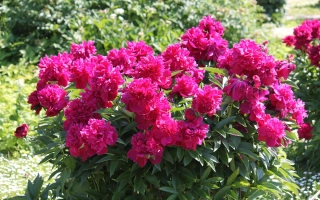
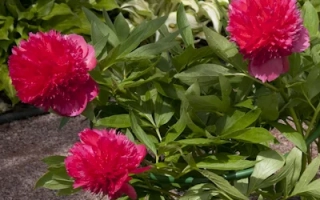
Pion Mr. Jules-Eli is a perennial herbaceous plant known for its large, double flowers and strong fragrance reminiscent of blooming roses. This variety was bred in France in 1888 and has remained one of the most popular and sought-after among gardeners. The pion bushes reach a height of 80-100 cm and a width of about 50 cm, with upright stems, each bearing 3-4 large flowers. The flowers are globe-…
Group
Herbaceous
Petals Color
Pink
Flower Type
Bomb-shaped
Plant Height
80, 100
Description
Pion Mr. Jules-Eli is a perennial herbaceous plant known for its large, double flowers and strong fragrance reminiscent of blooming roses. This variety was bred in France in 1888 and has remained one of the most popular and sought-after among gardeners. The pion bushes reach a height of 80-100 cm and a width of about 50 cm, with upright stems, each bearing 3-4 large flowers. The flowers are globe-shaped, composed of numerous petals resembling chrysanthemums, and reach a diameter of 15-20 cm. Petals are colored silver-pink or pink-lilac, with lower ones being broad and horizontally spread or slightly drooping downward, while the upper ones are narrow and form a dense flower center. Mr. Jules-Eli pion bushes have an orderly but slightly drooping appearance, especially during blooming, when the weight of large flowers causes stems to bend. To maintain plant form, a ring support is recommended. The leaves emerge in spring with a burgundy color, then turn into deep green, doubly-trifoliate, and pointed leaves, adding decorative appeal throughout the season. The pion is highly frost-resistant, tolerating temperatures down to -40 °C, and drought-tolerant, making it low-maintenance. For successful cultivation, Mr. Jules-Eli should be planted in sunny, wind-protected areas with well-drained, fertile soil. In the first year after planting, the plant should be covered with a layer of peat or compost, while mature bushes overwinter without additional protection. This variety is widely used for bedding and lawn plantings, both individually and in group compositions, and is excellent for cutting due to its long vase life — up to 8-9 days. Mr. Jules-Eli pairs beautifully with tall ornamental plants, such as ornamental onions, creating striking garden compositions.
Video · 1 video
Suggest a video →Crop & resistance
Crop
Specifications
| Group | |
|---|---|
| Petals Color | |
| Flower Type | |
| Plant Height | 80, 100 |
| Flower diameter, cm | 15, 20 |
| Frost Resistance | |
| Assignment | |
| Light-loving | |
| Soil Requirements | |
| Drought Resistance | |
| Registration year | 1982 |
| Catalog | Catalog → Peony |
| Country | Ukraine |
Not yet комментариев. Be the first!
Alternatives
Peony plants · similar varieties




See also
Often considered together with this variety





Recently viewed
Products you’ve viewed on this site
Reviews · 0