
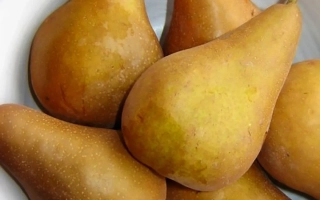

SKU #46195
·
62 views
Clapp's Favorite
Pear
User rating
0 votes0% positive reviews
No ratings yet — be the first.
Usage Group
Dining
Ripening Period
Summer
Cold Resistance
High (up to -30°C)
Fetal Size
Large (180–250 g)
About product

Clapp's Favorite Pear — a summer variety developed in the United States in the mid-19th century by breeder Tadeusz Clapp from seed of the 'Forest Beauty' variety. The tree is medium-sized, reaching up to 3.5 meters in height, with a pyramidal crown that becomes more rounded and dense with age. It begins bearing fruit on the third to fourth year after planting. The bark is smooth and brown-gray, th…
Usage Group
Dining
Ripening Period
Summer
Cold Resistance
High (up to -30°C)
Fetal Size
Large (180–250 g)
Description
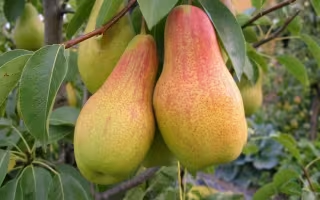
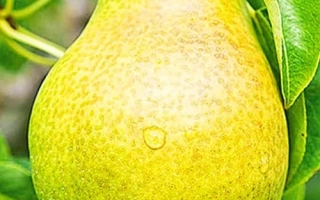
Clapp's Favorite Pear — a summer variety developed in the United States in the mid-19th century by breeder Tadeusz Clapp from seed of the 'Forest Beauty' variety. The tree is medium-sized, reaching up to 3.5 meters in height, with a pyramidal crown that becomes more rounded and dense with age. It begins bearing fruit on the third to fourth year after planting. The bark is smooth and brown-gray, the leaves are small, elliptical or egg-shaped. The flowers are large, white, arranged in clusters of 6–7. The variety is distinguished by high cold resistance and drought tolerance, as well as adaptability to various soils, although fruiting occurs earlier on light soils than on heavy clay soils. The fruits of Clapp's Favorite Pear are large, weighing 150–250 grams, with a short pear shape, smooth, tender yellow skin with a bright carmine blush on the sun-exposed side. The surface of the fruit is covered with small subcutaneous dots. The flesh is white or slightly yellowish-white, very tender, juicy, and aromatic, with a subtle acidity and an exquisite wine-like aftertaste. The flavor is spicy and harmonious, the flesh practically melts in the mouth. Harvesting occurs in early August, and the fruits can be stored for up to 15 days. The variety is self-incompatible, so for successful pollination, it is recommended to plant companion varieties such as 'Bere Ziffar', 'Williams', 'Forest Beauty', as well as 'Panna' and 'Saint-Germain'. Seedlings are best planted in spring or autumn, although planting can be done throughout the year. Clapp's Favorite Pear is characterized by stable and high yields, winter hardiness, and regular fruiting, making it an excellent choice for gardeners who value quality and reliability.
Video · 6 videos
Suggest a video →Crop & resistance
Crop
Specifications hover over for a hint about the specification
| Usage Group | |
|---|---|
|
Ripening Period
Ripening Period
It takes 70-100 days until pepper reaches flowering stage, 130-160 days until technical fruit ripeness, and 135-180 days until physiological ripeness. |
Summer |
| Cold Resistance | |
| Fetal Size | Large (180–250 g) |
|
Fruit Color
Fruit Color
The fruit color of tomato varieties is influenced by the combination of skin and flesh color. Some varieties have transparent skin, others — yellow. When combined differently, the fruits can acquire quite diverse colors. The fruit color is affected by pigments (lycopene) and thei... |
|
| Flavor | |
| Meat Texture Consistency | |
| Laziness | |
| Transportability | |
| Height and shape of the tree | |
| Assignment | |
| Features | |
| Registration year | 1950 |
| Catalog | Catalog → Pear |
| Country | Ukraine |
Store offers
Prices are updated on loadLoading offers…
Aggregator catalog: prices are collected automatically from store websites, normalized by AI and converted at the current exchange rate. Before ordering, confirm the price and availability on the store's website. This block is not indexed by search engines — the data is loaded after the page opens.
Not yet комментариев. Be the first!
Alternatives
Pear saplings · similar varieties

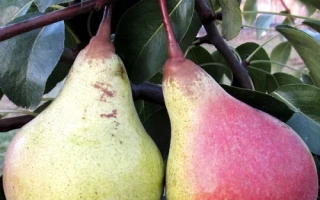
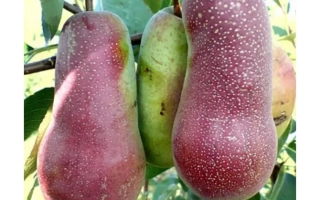
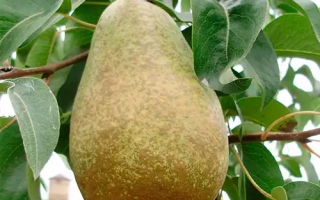



See also
Often considered together with this variety




Recently viewed
Products you’ve viewed on this site
Reviews · 0