


SKU #34468
·
63 views
Atanas
Pea
User rating
0 votes0% positive reviews
No ratings yet — be the first.
Growing Season
70-80 days
Registration year
2018
About product

An early-maturing variety with robust immunity against fungal diseases for an efficient, early harvest.
Growing Season
70-80 days
Registration year
2018
Description
Technical profile of Atanas peas
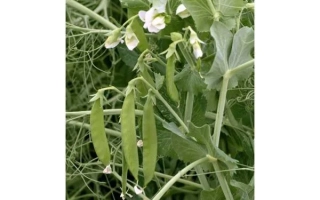
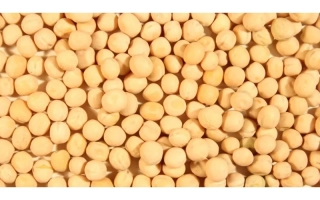
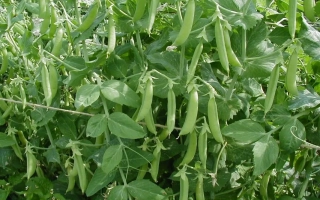
The breeding efforts of the IHG Naan (Ukraine) regarding the Atanas variety were focused on creating a stable tool for early harvest. A growing season of 70–80 days classifies this variety as an early-maturing crop, which is critical for regions with a risk of spring-summer drought. By avoiding peak temperature stresses during the grain filling phase, the crop avoids shriveling and maintains high seed quality.
Biological protection as a core solution
Resistance to pathogens is a key factor in the variety's productivity. Atanas possesses genetically determined resistance to a complex of diseases most dangerous for pea crops:
- Ascochyta blight: limiting the development of spots on leaves and pods protects the plant's photosynthetic apparatus.
- Fusarium wilt: the variety demonstrates high resistance to root rot, ensuring seedling viability even during prolonged cold springs.
- Rust: systemic resistance to rust pathogens prevents premature senescence of the leaf apparatus, extending the active ripening period.
The practical implication of these characteristics is clear: farmers reduce the frequency of fungicide applications, directly impacting margin per hectare and production sustainability. The stability of the variety allows for its efficient integration into crop rotations, where peas act as a precursor for winter cereals, leaving behind structured soil and nitrogen reserves.
Crop & resistance
Crop
Disease resistance
Specifications
| Growing Season | 70-80 days |
|---|---|
| Registration year | 2018 |
| Catalog | Catalog → Pea |
| Legal data |
Show · 1
|
| Country | Ukraine |
Store offers
Prices are updated on loadLoading offers…
Aggregator catalog: prices are collected automatically from store websites, normalized by AI and converted at the current exchange rate. Before ordering, confirm the price and availability on the store's website. This block is not indexed by search engines — the data is loaded after the page opens.
Not yet комментариев. Be the first!






See also
Often considered together with this variety






Recently viewed
Products you’ve viewed on this site
Reviews · 0