


SKU #65117
·
37 views
STRIGUNOK
Oats
User rating
0 votes0% positive reviews
No ratings yet — be the first.
Ripeness Group (days)
Early maturing (80-95)
Yield
60+
Disease Resistance
Mixed
Mass of 1000 seeds (g)
32-36, 36-40, 40+
Prices in stores
from0.39 €per 1 kg
pack from 0.39 € per 1 kg
1 offer from 1 store
Store offers · 1 from 1 stores
Prices are updated on loadLoading offers…
Available at: Siderat
Aggregator catalog: prices are collected automatically from store websites, normalized by AI and converted at the current exchange rate. Before ordering, confirm the price and availability on the store's website. This block is not indexed by search engines — the data is loaded after the page opens.
About product

Early-maturing oat variety with a 60+ q/ha yield potential, excellent disease resistance, and high versatility for feed production.
Ripeness Group (days)
Early maturing (80-95)
Yield
60+
Disease Resistance
Mixed
Mass of 1000 seeds (g)
32-36, 36-40, 40+
Description
Prioritizing Early Harvest and Feed Efficiency
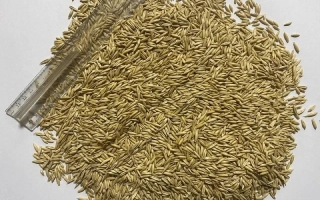
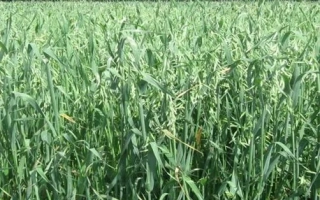
The «Strigunok» oat variety is a specialized selection product from the Samara Federal Research Center (SamNTs RAN), designed for farms that need to secure high-quality feed supplies within a tight schedule. With a short vegetation period of 80–95 days, this early-maturing variety allows for harvesting to take place during favorable weather windows, mitigating the risks of late-season moisture or early frost damage.
Agrotechnical Advantages
- Disease Resistance: The variety exhibits robust tolerance against major oat diseases, including rust, bacterial blight, and stem smut. This profile helps reduce overall expenditure on fungicidal field treatments.
- Productivity Performance: Under optimized agronomic management, the variety consistently delivers yields of 60+ quintals per hectare.
- Seed Flexibility: With a thousand-grain weight ranging from 32g to 40g+, agronomists can flexibly adjust seeding rates based on specific soil fertility levels.
Practical Application Scenarios
«Strigunok» is primarily targeted at grain-livestock operations. Its high energy density and consistent grain quality make it a superior component for balanced fodder mixes. Beyond livestock feed, the grain is suitable for industrial processing, giving the farm operation significant commercial flexibility: producers can decide whether to utilize the harvest for internal animal consumption or sell it to processing plants, depending on current market prices.
For agricultural managers operating in regions with erratic climate patterns, choosing this variety serves as a "risk management tool." By maturing early, the crop avoids peak periods of disease pressure and enables early threshing, ensuring high-quality commodity grain even in challenging seasons.
Crop & resistance
Crop
Disease resistance
Specifications hover over for a hint about the specification
| Ripeness Group (days) | Early maturing (80-95) |
|---|---|
|
Yield
Yield
Overall bulb harvest per unit area. Depends on both onion variety characteristics and agronomic practices, fertilizers, and irrigation. Under optimal growing conditions, an onion yield of 100 tons per hectare and above is not considered record-breaking. |
60+ |
| Disease Resistance | |
| Mass of 1000 seeds (g) | 32-36, 36-40, 40+ |
| Grain-oriented | |
| Usage Type | |
| Registration year | 2004 |
| Catalog | Catalog → Oats |
| Legal data |
Show · 10
|
| Country | Russia |
Not yet комментариев. Be the first!




See also
Often considered together with this variety




Recently viewed
Products you’ve viewed on this site
Reviews · 0