


SKU #65038
·
59 views
Metis
Oats
ФГБНУ Федеральный исследовательский центр «Немчиновка»User rating
0 votes0% positive reviews
No ratings yet — be the first.
Ripeness Group (days)
Medium-maturing (95-110)
Yield
60+
Disease Resistance
Mottling, Rust
Mass of 1000 seeds (g)
36-40
About product

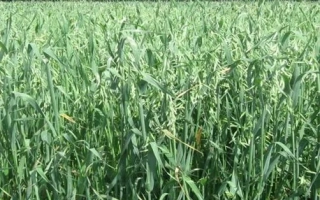
The Metis oat variety is mid-early with a growing period ranging from 70 to 92 days. It was developed through individual selection from the hybrid combination Selma x Ruslan and included in the State Register for cultivation in the Volga-Vyatsk, West Siberian, and East Siberian regions. The variety has an intermediate grain type with a light yellow color and is distinguished by its high quality. T…
Ripeness Group (days)
Medium-maturing (95-110)
Yield
60+
Disease Resistance
Mottling, Rust
Mass of 1000 seeds (g)
36-40
Description
The Metis oat variety is mid-early with a growing period ranging from 70 to 92 days. It was developed through individual selection from the hybrid combination Selma x Ruslan and included in the State Register for cultivation in the Volga-Vyatsk, West Siberian, and East Siberian regions. The variety has an intermediate grain type with a light yellow color and is distinguished by its high quality. The straw is of medium height and foliage, ensuring resistance to lodging and minimal losses during harvest. The mass of 1000 seeds ranges from 36 to 42 grams, and the maturity period is 3-5 days earlier compared to the Narimsky 943 variety.
Metis possesses high ecological plasticity, synchronous maturation, and non-shattering grain, which contributes to high productivity and a maximum yield of up to 98 centners per hectare. The variety demonstrates moderate resistance to diseases such as loose smut, crown rust, and bacterial blight. Additionally, the seeds are characterized by high post-harvest germination and good responsiveness to increased soil fertility.
For successful oat cultivation, it is recommended to use quality seed material with a mass of 1000 seeds within the range of 30-42 grams and a germination energy above 80%. Before sowing, the seeds must necessarily be treated with fungicides. Oats are generally less demanding on predecessors and soils, but higher yields can be achieved when sown after legumes and tillage crops. Selecting seeds with a large fraction contributes to yield increase.
Metis possesses high ecological plasticity, synchronous maturation, and non-shattering grain, which contributes to high productivity and a maximum yield of up to 98 centners per hectare. The variety demonstrates moderate resistance to diseases such as loose smut, crown rust, and bacterial blight. Additionally, the seeds are characterized by high post-harvest germination and good responsiveness to increased soil fertility.
For successful oat cultivation, it is recommended to use quality seed material with a mass of 1000 seeds within the range of 30-42 grams and a germination energy above 80%. Before sowing, the seeds must necessarily be treated with fungicides. Oats are generally less demanding on predecessors and soils, but higher yields can be achieved when sown after legumes and tillage crops. Selecting seeds with a large fraction contributes to yield increase.
Crop & resistance
Crop
Specifications hover over for a hint about the specification
| Ripeness Group (days) | Medium-maturing (95-110) |
|---|---|
|
Yield
Yield
Overall bulb harvest per unit area. Depends on both onion variety characteristics and agronomic practices, fertilizers, and irrigation. Under optimal growing conditions, an onion yield of 100 tons per hectare and above is not considered record-breaking. |
60+ |
| Disease Resistance | |
| Mass of 1000 seeds (g) | 36-40 |
| Corn Color | |
| Resistance to Sliding | |
| Registration year | 1990 |
| Catalog | Catalog → Oats |
| Manufacturer | ФГБНУ Федеральный исследовательский центр «Немчиновка» |
| Legal data |
Show · 1 |
| Country | Russia |
Store offers
Prices are updated on loadLoading offers…
Aggregator catalog: prices are collected automatically from store websites, normalized by AI and converted at the current exchange rate. Before ordering, confirm the price and availability on the store's website. This block is not indexed by search engines — the data is loaded after the page opens.
Not yet комментариев. Be the first!




See also
Often considered together with this variety



Recently viewed
Products you’ve viewed on this site
Reviews · 0