


SKU #47060
·
69 views
Neptun
Oats
User rating
0 votes0% positive reviews
No ratings yet — be the first.
Ripeness Group (days)
Medium-maturing (95-110)
Yield
60+
Disease Resistance
Rust, Mixed
Mass of 1000 seeds (g)
32-36
Prices in stores
from0.31 €per 1 kg
pack from 309.85 € per 1 t
3 offers from 3 stores
Store offers · 3 from 3 stores
Prices are updated on loadLoading offers…
Available at: Агропошта · Хаском Трейд · Khaskom
Aggregator catalog: prices are collected automatically from store websites, normalized by AI and converted at the current exchange rate. Before ordering, confirm the price and availability on the store's website. This block is not indexed by search engines — the data is loaded after the page opens.
About product

A stably productive variety with high protein content and complex resistance to major oat diseases.
Ripeness Group (days)
Medium-maturing (95-110)
Yield
60+
Disease Resistance
Rust, Mixed
Mass of 1000 seeds (g)
32-36
Description
The Engineering Potential of 'Neptun' Oats
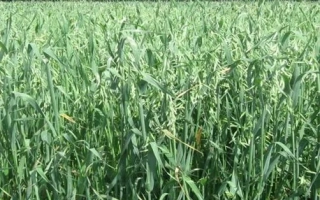
Developed by the Nosivka Selection and Research Station, this variety is engineered for stable forage grain production in temperate climates. Its core design relies on a strategy of robust biological protection and optimized biochemical grain composition.
Agrotechnical Indicators and Morphology
Classified as a mid-ripening variety, 'Neptun' has a vegetation period of 95–110 days. The plant height ranges from 90–100 cm, balancing vegetative mass with straw strength. Resistance to lodging and shedding is critical for minimizing losses during mechanized harvesting, especially in regions prone to heavy pre-harvest rainfall.
Resistance as a Cost-Reduction Factor
Neptun demonstrates high genetic resistance to key pathogens that limit oat yield potential:
- Stem Rust: Breeding efforts focus on blocking fungal proliferation within stem tissues.
- Smut: Varietal defense minimizes risks to grain quality and commercial appearance.
- Frit Fly: Built-in resistance allows for a reduction in insecticide application during early growth stages.
Quality Metrics and Productivity
With a yield potential exceeding 60 c/ha, 'Neptun' maintains a high protein content (13%+), a defining factor for the feed sector. The 1000-grain weight stands at 32–36 grams, featuring light-colored, well-filled grains. The variety's primary technological focus is providing high-quality feed base for livestock, where both quantitative yield and nutritional value are prioritized.
Crop & resistance
Crop
Disease resistance
Pest resistance
Specifications hover over for a hint about the specification
| Ripeness Group (days) | Medium-maturing (95-110) |
|---|---|
|
Yield
Yield
Overall bulb harvest per unit area. Depends on both onion variety characteristics and agronomic practices, fertilizers, and irrigation. Under optimal growing conditions, an onion yield of 100 tons per hectare and above is not considered record-breaking. |
60+ |
| Disease Resistance | |
| Mass of 1000 seeds (g) | 32-36 |
| Protein (%) | 13+ |
| Plant Height | 90-100 |
| Grain-oriented | |
| Corn Color | |
| Usage Type | |
| Resistance to Sliding | |
| Registration year | 2005 |
| Catalog | Catalog → Oats |
| Legal data |
Show · 1
|
| Country | Ukraine |
Not yet комментариев. Be the first!


See also
Often considered together with this variety




Recently viewed
Products you’ve viewed on this site
Reviews · 0