


SKU #65111
·
54 views
HELLO
Oats
ФГБНУ Федеральный исследовательский центр «Немчиновка»User rating
0 votes0% positive reviews
No ratings yet — be the first.
Ripeness Group (days)
Medium-maturing (95-110)
Mass of 1000 seeds (g)
36-40
Protein (%)
12-13
Grain-oriented
Food, Feed
About product

A stable mid-maturing oat variety featuring high shatter resistance and excellent protein content.
Ripeness Group (days)
Medium-maturing (95-110)
Mass of 1000 seeds (g)
36-40
Protein (%)
12-13
Grain-oriented
Food, Feed
Description
The Privet Oat Variety: Field Performance and Practical Benefits
When selecting seed material for both food-grade production and livestock feed, the Privet variety from FGBNU Federal Research Center Nemchinovka stands out as a reliable and predictable choice. As an agronomist, I prioritize stability, and this mid-maturing oat variety—with a growing season of 95 to 110 days—is an excellent tool for managing the harvest schedule efficiently without the risks associated with longer-maturing crops.
Field Experience and Handling
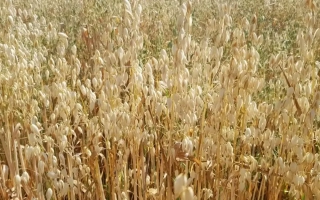
The standout feature of Privet is its high resistance to shedding. In practical terms, this gives operators peace of mind; even if logistics or weather conditions force a delay in the harvest, the crop remains intact in the field, minimizing unnecessary losses. With a 1000-grain weight of 36-40 grams, it meets the standard for high-quality yield expectations.
- Nutritional Value: A protein content of 12-13% makes this variety highly attractive for both commercial grain processors and livestock managers looking to optimize feed quality.
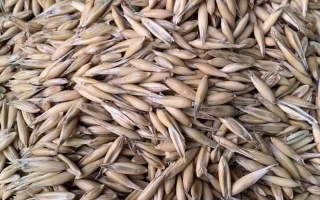
- Market Versatility: The vibrant yellow grain is highly marketable, and the variety's dual-purpose nature allows farmers to adapt to shifting market demands between food and feed sectors.
From an operational standpoint, Privet does not demand overly complex agricultural interventions. It responds well to standard agronomic practices, ensuring a steady output that minimizes the need for high-risk inputs. For farms that rely on consistency and performance rather than volatile experimental traits, Privet remains a cornerstone for a successful harvest cycle. It represents a professional, straightforward approach to cereal production.
Crop & resistance
Crop
Disease resistance
Specifications
| Ripeness Group (days) | Medium-maturing (95-110) |
|---|---|
| Mass of 1000 seeds (g) | 36-40 |
| Protein (%) | 12-13 |
| Grain-oriented | |
| Corn Color | |
| Usage Type | |
| Resistance to Sliding | |
| Registration year | 1999 |
| Catalog | Catalog → Oats |
| Manufacturer | ФГБНУ Федеральный исследовательский центр «Немчиновка» |
| Legal data |
Show · 2 |
| Country | Russia |
Store offers
Prices are updated on loadLoading offers…
Aggregator catalog: prices are collected automatically from store websites, normalized by AI and converted at the current exchange rate. Before ordering, confirm the price and availability on the store's website. This block is not indexed by search engines — the data is loaded after the page opens.
Not yet комментариев. Be the first!




See also
Often considered together with this variety




Recently viewed
Products you’ve viewed on this site
Reviews · 0