


SKU #64999
·
62 views
Azil
Oats
User rating
0 votes0% positive reviews
No ratings yet — be the first.
Ripeness Group (days)
Medium-maturing (95-110)
Yield
60+
Mass of 1000 seeds (g)
28-32
Protein (%)
13+
About product

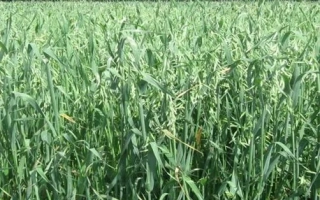
AZIL is a mid-season variety of spring oats (Avena sativa L.) of the naked grain type, belonging to the ineremis variety. Plants of this variety are tall or of medium height, forming semi-erect bushes with long two-sided panicles and drooping spikelets. The glume varies from medium to long and is covered with an intense waxy bloom, which is a characteristic feature of the variety. The weight of 10…
Ripeness Group (days)
Medium-maturing (95-110)
Yield
60+
Mass of 1000 seeds (g)
28-32
Protein (%)
13+
Description
AZIL is a mid-season variety of spring oats (Avena sativa L.) of the naked grain type, belonging to the ineremis variety. Plants of this variety are tall or of medium height, forming semi-erect bushes with long two-sided panicles and drooping spikelets. The glume varies from medium to long and is covered with an intense waxy bloom, which is a characteristic feature of the variety. The weight of 1000 grains ranges from 21 to 32 grams, while the natural grain weight varies within 543-650 g/l. The variety is distinguished by high resistance to powdery mildew, lodging, and drought, and also has relative resistance to damage by fusarium fungi, which reduces the accumulation of T-2 toxin in grain. AZIL is adapted for cultivation in a wide range of soil and climatic conditions, including the Northwestern, Central, Volga-Vyatsk, Middle Volga, and Ural regions. It is recommended for growing in various oblasts and republics, such as Vologda, Kostroma, Yaroslavl, Bryansk, Ivanovo, Kaluga, Moscow, Ryazan, Tula, and Ulyanovsk oblasts, as well as Bashkortostan, Mari El, and Chuvashia. The vegetative period of the variety ranges from 83 to 104 days, corresponding to the mid-season maturity period. The variety is resistant to soil acidity and almotoxicity, which expands the possibilities of its application in various soil conditions. AZIL is characterized by high yield: average figures vary from 21.9 to 26.4 c/ha in various regions, while the maximum yield reached 56.3 c/ha. With intensive cultivation technology, grain yield can reach 8.6 t/ha. The grain of the variety contains an increased amount of protein – up to 21%, as well as fat – up to 8.9%, which makes it an attractive raw material for the food industry. Thanks to its agronomic and biochemical characteristics, the AZIL variety is a promising choice for farmers seeking to obtain high-quality and drought-resistant oats.
Crop & resistance
Crop
Disease resistance
Specifications hover over for a hint about the specification
| Ripeness Group (days) | Medium-maturing (95-110) |
|---|---|
|
Yield
Yield
Overall bulb harvest per unit area. Depends on both onion variety characteristics and agronomic practices, fertilizers, and irrigation. Under optimal growing conditions, an onion yield of 100 tons per hectare and above is not considered record-breaking. |
60+ |
| Mass of 1000 seeds (g) | 28-32 |
| Protein (%) | 13+ |
| Usage Type | |
| Registration year | 2022 |
| Catalog | Catalog → Oats |
| Legal data |
Show · 3
|
| Country | Russia |
Store offers
Prices are updated on loadLoading offers…
Aggregator catalog: prices are collected automatically from store websites, normalized by AI and converted at the current exchange rate. Before ordering, confirm the price and availability on the store's website. This block is not indexed by search engines — the data is loaded after the page opens.
Not yet комментариев. Be the first!




See also
Often considered together with this variety


Recently viewed
Products you’ve viewed on this site
Reviews · 0