


SKU #71855
·
54 views
Delta
Lupin
Фгбоу Во Ргау- Мсха Имени К. А.ТимирязеваUser rating
0 votes0% positive reviews
No ratings yet — be the first.
Usage
Feed Crop
Protein content in dry matter (%)
30-36
Registration year
2000
About product

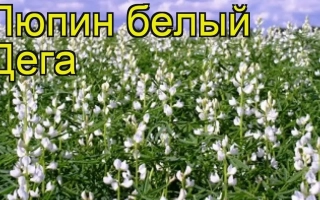
The white lupin variety (Lupinus albus L.) is a determinate bush plant with green leaves, long and wide terminal leaflets, and stems without anthocyanin coloration. The flowers are bluish-white, and the seeds are white, without ornamentation, and do not split. The mass of 1000 seeds is very high – from 284 to 385 grams, indicating high yield and economic attractiveness of this variety.The vegetati…
Usage
Feed Crop
Protein content in dry matter (%)
30-36
Registration year
2000
Description
The white lupin variety (Lupinus albus L.) is a determinate bush plant with green leaves, long and wide terminal leaflets, and stems without anthocyanin coloration. The flowers are bluish-white, and the seeds are white, without ornamentation, and do not split. The mass of 1000 seeds is very high – from 284 to 385 grams, indicating high yield and economic attractiveness of this variety.
The vegetative period lasts 106–132 days from germination to seed maturity, corresponding to average standards. Yield over the test years ranges from 17.8 to 36.1 centners per hectare, also at the level of the average standard. The alkaloid content in the seeds is only 0.001%, making the product safe for use as a fodder crop.
The variety is recommended exclusively for fodder purposes and is distinguished by medium resistance to fusarium. Due to its characteristics, it is suitable for cultivation in all regions where white lupins are grown, providing a stable yield of quality seeds when standard agronomic practices are followed.
The vegetative period lasts 106–132 days from germination to seed maturity, corresponding to average standards. Yield over the test years ranges from 17.8 to 36.1 centners per hectare, also at the level of the average standard. The alkaloid content in the seeds is only 0.001%, making the product safe for use as a fodder crop.
The variety is recommended exclusively for fodder purposes and is distinguished by medium resistance to fusarium. Due to its characteristics, it is suitable for cultivation in all regions where white lupins are grown, providing a stable yield of quality seeds when standard agronomic practices are followed.
Crop & resistance
Crop
Disease resistance
Specifications
| Usage | |
|---|---|
| Protein content in dry matter (%) | 30-36 |
| Registration year | 2000 |
| Catalog | Catalog → Lupin |
| Manufacturer | Фгбоу Во Ргау- Мсха Имени К. А.Тимирязева |
| Legal data |
Show · 1
|
| Country | Russia |
Store offers
Prices are updated on loadLoading offers…
Aggregator catalog: prices are collected automatically from store websites, normalized by AI and converted at the current exchange rate. Before ordering, confirm the price and availability on the store's website. This block is not indexed by search engines — the data is loaded after the page opens.
Not yet комментариев. Be the first!




See also
Often considered together with this variety





Recently viewed
Products you’ve viewed on this site
Reviews · 0