


SKU #68609
·
72 views
Bagira
Lucerne
User rating
0 votes0% positive reviews
No ratings yet — be the first.
Plant Height
100-110
Registration year
1994
About product

Bagira lucerne is a blue hybrid variety of variable lucerne (Medicago sativa L. nothosubsp. varia), intended for haymaking and pasture use. Plants reach a height of 100-110 cm, featuring semi-erect to erect bushes with an average branching of 41-45 stems. Stems are thick, of medium coarseness, slightly hairy, and without bloom. Inflorescences are egg-shaped, dense, 3-5 cm long, with dark violet co…
Plant Height
100-110
Registration year
1994
Description
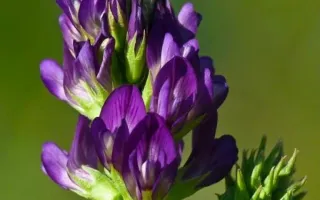
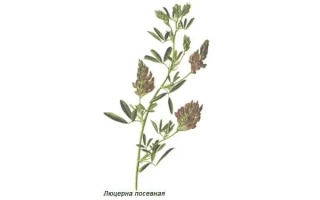
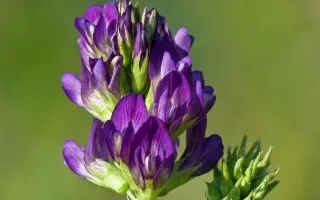
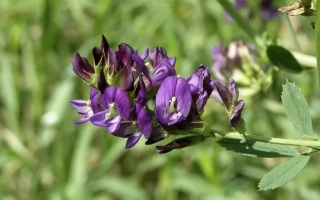
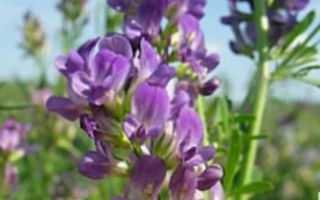
Bagira lucerne is a blue hybrid variety of variable lucerne (Medicago sativa L. nothosubsp. varia), intended for haymaking and pasture use. Plants reach a height of 100-110 cm, featuring semi-erect to erect bushes with an average branching of 41-45 stems. Stems are thick, of medium coarseness, slightly hairy, and without bloom. Inflorescences are egg-shaped, dense, 3-5 cm long, with dark violet corollas. Pods are spiral, usually with 3-4 turns, seeds are kidney-shaped, medium-sized, and yellow in color. The variety is characterized by high resistance to lodging, ensuring high-quality mechanized harvesting of green mass and hay preparation. Bagira lucerne yield on green mass during wet years reaches 70 tons per hectare, which is 8-12% higher compared to other varieties grown in the Krasnodar region. The plant grows well in spring and after mowing, making it particularly valuable for the North Caucasus region conditions. The variety is moderately resistant to ascochitis and is affected by brown spot and pests at the level of other varieties. For sowing, it is recommended to use periods from the third decade of March to the first decade of April, and summer sowing in early August is also possible. Sowing rates are 6 kg/ha for wide-row sowing and 20-25 kg/ha for continuous. Bagira variety seeds have a hard-seed percentage of 12 to 27%. The offered seeds comply with GOST and have the necessary quality certificates, guaranteeing their high germination and reliability in cultivation.
Crop & resistance
Crop
Disease resistance
Specifications
| Plant Height | 100-110 |
|---|---|
| Registration year | 1994 |
| Catalog | Catalog → Lucerne |
| Legal data |
Show · 1 |
| Country | Russia |
Store offers
Prices are updated on loadLoading offers…
Aggregator catalog: prices are collected automatically from store websites, normalized by AI and converted at the current exchange rate. Before ordering, confirm the price and availability on the store's website. This block is not indexed by search engines — the data is loaded after the page opens.
Not yet комментариев. Be the first!
Alternatives
Alfalfa seeds · similar varieties





See also
Often considered together with this variety





Recently viewed
Products you’ve viewed on this site
Reviews · 0