


SKU #74208
·
54 views
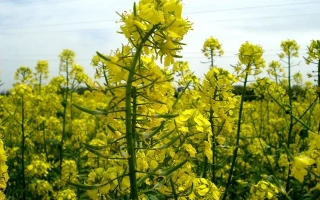
Mustard Vesnyanka
Mustard
User rating
0 votes0% positive reviews
No ratings yet — be the first.
Assignment
Grain on Spices, Celestial
Plant Height
40–60
Grain Yield (ц/га)
15–20
Registration year
2018
Prices in stores
from1.52 €per 1 kg
pack from 0.98 € per 500 g
2 offers from 1 store
Store offers · 2 from 1 stores
Prices are updated on loadLoading offers…
Available at: Tukva · Веснодар
Aggregator catalog: prices are collected automatically from store websites, normalized by AI and converted at the current exchange rate. Before ordering, confirm the price and availability on the store's website. This block is not indexed by search engines — the data is loaded after the page opens.
About product

A top-tier choice for controlling nematodes while harvesting high-quality spice grain.
Assignment
Grain on Spices, Celestial
Plant Height
40–60
Grain Yield (ц/га)
15–20
Registration year
2018
Description
A phytosanitary powerhouse for spice and soil health
The «Vesnyanka» mustard variety, developed by the Institute of Oilseed Crops of NAAS, is a precision tool for farmers who prioritize both grain quality and long-term soil health. Unlike many mass-market hybrids, this variety is specifically engineered with high resistance to nematodes, making it an essential component of professional crop rotation.
Agronomic profile
The plant’s compact structure (40–60 cm tall) makes it easy to manage mechanically and prevents lodging. With a grain yield of 15–20 c/ha, it provides a stable output for the spice industry, where raw material purity is paramount.
- Biological Pest Control: Its natural nematode resistance acts as a shield, reducing the need for chemical soil treatments.
- Dual-Purpose Versatility: Whether you need high-grade grain for the food sector or a green manure to enrich your field structure, «Vesnyanka» delivers consistent results.
- Local Reliability: As a Ukrainian-bred variety, it is perfectly tuned to local soil and climatic conditions, avoiding the risks associated with imported varieties.
«Vesnyanka» is not designed for sheer biomass volume, so it may not be the choice for those looking for massive green cover. However, for farms integrating vegetables into their rotation, it offers a distinct competitive advantage: you get a profitable cash crop while naturally sanitizing your soil.
Crop & resistance
Crop
Pest resistance
Specifications
| Assignment | |
|---|---|
| Plant Height | 40–60 |
| Grain Yield (ц/га) | 15–20 |
| Registration year | 2018 |
| Catalog | Catalog → Mustard |
| Legal data |
Show · 1
|
| Country | Ukraine |
Not yet комментариев. Be the first!




See also
Often considered together with this variety





Recently viewed
Products you’ve viewed on this site
Reviews · 0