


SKU #72022
·
62 views
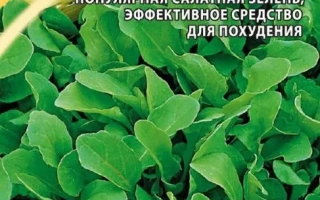
KOREAN SALAD
Arugula
Агрофирма АэлитаUser rating
0 votes0% positive reviews
No ratings yet — be the first.
Flavor
Sharp, Spicy
Assignment
For Fresh Consumption, For Salads
Recommended sowing time
Summer
Registration year
2022
Prices in stores
from0.24 €per 1 kg
pack from 1.93 € per 8 kg
1 offer from 1 store
Store offers · 1 from 1 stores
Prices are updated on loadLoading offers…
Available at: Agro-market · Lemana Pro
Aggregator catalog: prices are collected automatically from store websites, normalized by AI and converted at the current exchange rate. Before ordering, confirm the price and availability on the store's website. This block is not indexed by search engines — the data is loaded after the page opens.
About product

A bold, spicy arugula perfect for those who love Asian-inspired salads.
Flavor
Sharp, Spicy
Assignment
For Fresh Consumption, For Salads
Recommended sowing time
Summer
Registration year
2022
Description
Spicy Piquancy in Every Leaf
"Koreyanka" arugula (indau) by Aelita Agrofirm is a selective choice for those who do not compromise between a rich aroma and a bold flavor. Unlike many varieties focused on a neutral nutty undertone, this variety relies on distinct pungency and spice, making it a favorite for preparing authentic Asian-style salads and appetizers.
Agricultural Nuances
The key to success with "Koreyanka" lies in timing the sowing. This variety displays its best varietal characteristics when sown in summer. This allows the plant to form a robust leaf rosette while avoiding the early bolting that often ruins arugula crops during spring sowing in long daylight conditions.
- Flavor profile: Dominantly spicy with a characteristic mustard-sharp note.
- Culinary use: Ideal for fresh consumption and as an accent herb in salads or piquant side dishes.
- Target consumer: Designed for flavor enthusiasts who find standard store-bought salad mixes lacking in "character."
The main strength of this variety is its predictable performance. Developed by the Russian Aelita Agrofirm, these seeds are adapted to regional climatic features, minimizing the risk of losing the greens' marketability. However, it is important to note that the intensity of the pungency depends directly on irrigation: a lack of moisture makes the leaves tougher and overly sharp, so maintaining consistent soil moisture is essential to obtain a high-quality, delicate product.
Specifications
| Flavor | |
|---|---|
| Assignment | |
| Recommended sowing time | |
| Registration year | 2022 |
| Catalog | Catalog → Arugula |
| Manufacturer | Агрофирма Аэлита |
| Country | Russia |
Not yet комментариев. Be the first!






See also
Often considered together with this variety



Recently viewed
Products you’ve viewed on this site
Reviews · 0