


SKU #47546
·
74 views
Sacajawea
Hazelnut
Oregon State UniversityUser rating
0 votes0% positive reviews
No ratings yet — be the first.
Nut; Shape
Round, Extended
Registration year
2022
About product

A robust hazelnut variety offering excellent resistance to fusarium and consistent, high-quality nut production.
Nut; Shape
Round, Extended
Registration year
2022
Description
Growing Sacajawea Hazelnut: A Grower’s Perspective
When we were establishing our hazelnut orchard, selecting the Sacajawea variety from Oregon State University was a calculated decision. Working with this cultivar in real-world conditions requires understanding its specific needs, but the results justify the effort. This variety represents the cutting edge of American breeding programs and stands out significantly from legacy or wild European types.
Hardiness and Disease Resistance
The primary struggle in hazelnut cultivation is fungal pressure, especially fusarium wilt. Sacajawea is truly a "tough nut to crack" in this regard. Over years of monitoring our plots, we’ve found that its immune system handles pathogens much more effectively than many traditional varieties. For the grower, this translates into lower costs for fungicide applications and less time spent on emergency treatments.
Nut Characteristics
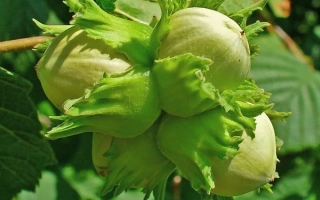
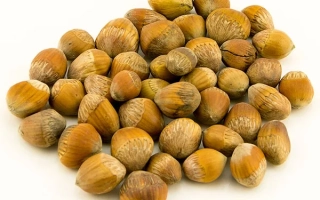
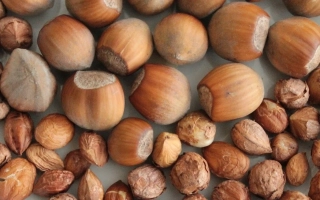
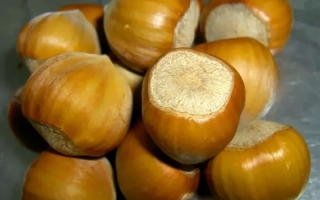
The nuts are interesting due to their shape diversity: within a single harvest, you will see both perfectly round specimens and more elongated forms. This isn't a problem for processing, but it is an asset for quality assessment, as the kernel-to-shell ratio is excellent. The shell is of medium thickness, making it easy to calibrate and crack. The flavor profile meets the high standards of Oregon breeding: a rich, nutty aroma with no bitter aftertaste in the pellicle.
Orchard Management Tips
- Pruning: The variety has a dense growth habit, so it requires crown thinning or shaping into a standard form to ensure proper airflow.
- Care: It is highly responsive to drip irrigation, particularly during the nut-fill stage.
- Maintenance: If a tree suffers damage, it recovers quickly through vigorous sucker production—though you should keep these in check if you are maintaining a clean trunk form.
Working with Sacajawea is a pleasure; the trees remain manageable in size, which simplifies harvesting operations significantly. If you are looking for that elusive balance between disease resistance and consistent, high-quality yields, this variety from Oregon State University is a solid investment for any commercial or private orchard.
Crop & resistance
Disease resistance
Specifications
| Nut; Shape | |
|---|---|
| Registration year | 2022 |
| Catalog | Catalog → Hazelnut |
| Manufacturer | Oregon State University |
| Country | USA |
Store offers
Prices are updated on loadLoading offers…
Aggregator catalog: prices are collected automatically from store websites, normalized by AI and converted at the current exchange rate. Before ordering, confirm the price and availability on the store's website. This block is not indexed by search engines — the data is loaded after the page opens.
Not yet комментариев. Be the first!






See also
Often considered together with this variety




VANICHAYA'S GIFT
ГУП Московской области Ивантеевский лесной селекционный опытно-показательный питомник
060 2 offers
0.04 € ≈ 2 ₴


Recently viewed
Products you’ve viewed on this site
Reviews · 0