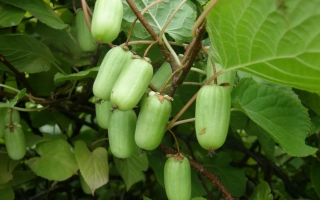
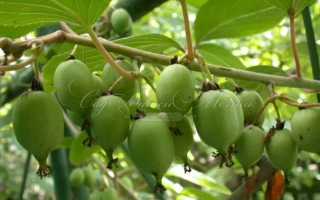
Hazel «Purple» is a majestic deciduous shrub reaching up to 5 m in height and 4–6 m in width, captivating attention with its vibrant purple leaves. In sunny locations, they take on a rich light reddish-purple hue, while in partial shade they become darker or even green. The leaves are rounded, heart-shaped, 8–14 cm long, covered with fine hairs, and give the plant a metallic sheen at the beginning of the season. In the shade, leaves may change color to brownish-green but retain their decorative appeal.
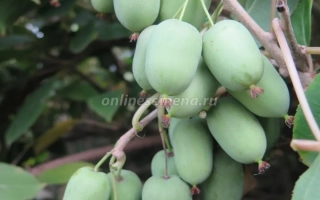
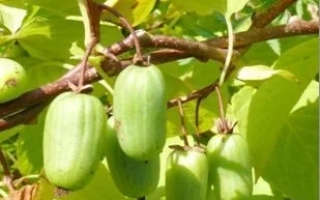
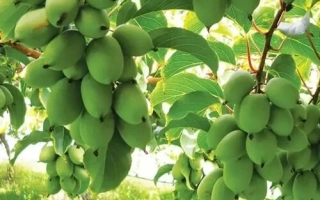
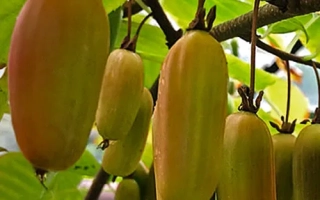
From April to May, the bush blooms with numerous yellow-red catkins up to 10 cm long, which open before the leaves appear. After flowering, large cylindrical nuts up to 2 cm in diameter form, covered with fleshy bracts that eventually become edible and are valued as a delicacy. The fruits ripen in September.
Purple hazel is distinguished by good frost hardiness (zone 5, –15 °C) and the ability to grow on various soils from weakly acidic to alkaline, while preferring fertile, loose soils without waterlogging. The plant tolerates both sunny locations and partial shade well, but flowering is almost absent in the shade. For successful cultivation, it is recommended to plant in autumn, use holes of 50×60 cm, add manure, superphosphate, and potassium salt, and also mulch the root circles.
Care for the bush is simple: early spring pruning before sap flow ensures good shape and plant health. Hazel easily withstands urban conditions but requires additional watering during dry periods. Thanks to its decorative beauty, cold hardiness, and interesting leaf color, «Purple» is ideal for both single plantings and group compositions, creating a bright contrast with green plants.