


SKU #64720
·
46 views
SHADRIKHA
Currant
ФГУП Новосибирская зональная станция садоводства РоссельхозакадемииUser rating
0 votes0% positive reviews
No ratings yet — be the first.
Type of Sort
Blackcurrant
Blackberry Type
Black
Bloom to maturity, days
Medium (45-55 days)
Yield, kg/plant
2-3
Prices in stores
from6.01 €per seedling
pack from 3.56 € per pack
2 offers from 2 stores
Store offers · 2 from 2 stores
Prices are updated on loadLoading offers…
Available at: Vashnil · Саженцы Новосибирск
Aggregator catalog: prices are collected automatically from store websites, normalized by AI and converted at the current exchange rate. Before ordering, confirm the price and availability on the store's website. This block is not indexed by search engines — the data is loaded after the page opens.
About product

Black currant of the Shadrikha cultivar is a cultivated variety bred at the Novosibirsk Horticulture Experimental Station through the crossbreeding of the Agrolesovskaya and Bredtorp varieties. The bushes are medium-sized and moderately spreading with straight, gray-green, matte canes. Leaves are large, five-lobed, dark green, glossy, and wrinkled, with small indentations and a blunt tip. The vari…
Type of Sort
Blackcurrant
Blackberry Type
Black
Bloom to maturity, days
Medium (45-55 days)
Yield, kg/plant
2-3
Description
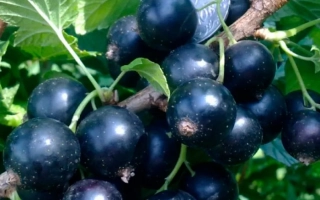
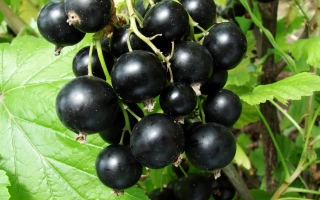
Black currant of the Shadrikha cultivar is a cultivated variety bred at the Novosibirsk Horticulture Experimental Station through the crossbreeding of the Agrolesovskaya and Bredtorp varieties. The bushes are medium-sized and moderately spreading with straight, gray-green, matte canes. Leaves are large, five-lobed, dark green, glossy, and wrinkled, with small indentations and a blunt tip. The variety is distinguished by medium ripening speed of berries and high frost resistance, enduring temperatures down to -30 degrees Celsius, although young seedlings require covering in the first few years after planting. Shadrikha berries are large, weighing from 1.6 to 4.3 grams, round, dark black with a glossy and thick skin. The berry taste is sweet and sour, refreshing with a characteristic currant aroma. The chemical composition of the fruit includes up to 12.2% dry matter, up to 9.9% sugars, titratable acidity up to 0.8%, and a high ascorbic acid content—up to 136.2 mg per 100 grams. Berries have a dry detachment, which facilitates harvest collection. The Shadrikha variety is distinguished by resistance to powdery mildew and is weakly affected by bud mite, septoria, and rust. However, it is susceptible to certain diseases such as rust, gray mold, verticillium wilt, spotting, and anthracnose, as well as pests—spider mite, leafhopper, geometer moth, and gall wasp. The variety's yield is high and averages from 2.1 to 2.8 kilograms per bush. Due to its qualities and resistance, the Shadrikha variety is suitable for cultivation in various climatic conditions, especially in the Western and Eastern Siberia regions.
Crop & resistance
Crop
Disease resistance
Pest resistance
Specifications
| Type of Sort | |
|---|---|
| Blackberry Type | |
| Bloom to maturity, days | Medium (45-55 days) |
| Yield, kg/plant | 2-3 |
| Berry Size | 1.9-2.5 |
| Berry Color | |
| Cold Resistance | |
| Resistance to Powdery Mildew | |
| Resistance to Bud Mite | |
| Resistance to Anthracnose | |
| Bush height, cm | 1.0 |
| Shrub Shape | |
| Vitamin C content, mg/100g | 120 |
| Sugar Content | 9 |
| Acid content, % | 2.8 |
| Registration year | 1997 |
| Catalog | Catalog → Currant |
| Manufacturer | ФГУП Новосибирская зональная станция садоводства Россельхозакадемии |
| Legal data |
Show · 4
|
| Country | Russia |
Not yet комментариев. Be the first!
Alternatives
Currant saplings · similar varieties





See also
Often considered together with this variety





Recently viewed
Products you’ve viewed on this site
Reviews · 0