


SKU #73320
·
65 views
Wheatgrass KAMALINSKY 175
Couch Grass
User rating
0 votes0% positive reviews
No ratings yet — be the first.
Use Direction
Food
Protein content (%)
10-15%
Registration year
1951
Prices in stores
from1.34 €per 1 kg
pack from 1.34 € per 1 kg
1 offer from 1 store
Store offers · 1 from 1 stores
Prices are updated on loadLoading offers…
Available at: agro-portal24ru
Aggregator catalog: prices are collected automatically from store websites, normalized by AI and converted at the current exchange rate. Before ordering, confirm the price and availability on the store's website. This block is not indexed by search engines — the data is loaded after the page opens.
About product

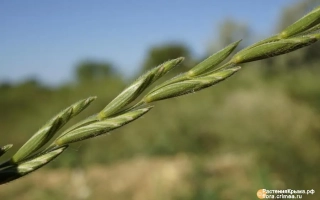
KAMALINSKY 175 Reedgrass – a perennial non-tuberous grass (Elymus trachycaulus), mainly used as a fodder crop. The plant features a loose culm growth habit and rapid biomass recovery after heading, although its growth rate remains slower compared to some other reedgrass varieties.Kamalinsky 175 is distinguished by high resistance to adverse conditions: it grows well on washed-out slopes, exposed l…
Use Direction
Food
Protein content (%)
10-15%
Registration year
1951
Description
KAMALINSKY 175 Reedgrass – a perennial non-tuberous grass (Elymus trachycaulus), mainly used as a fodder crop. The plant features a loose culm growth habit and rapid biomass recovery after heading, although its growth rate remains slower compared to some other reedgrass varieties.
Kamalinsky 175 is distinguished by high resistance to adverse conditions: it grows well on washed-out slopes, exposed limestone, and saline soils, demonstrating drought tolerance and salt tolerance. The plant is undemanding regarding soil type, withstands short-term flooding, and maintains productivity even under high moisture conditions.
Mowing readiness is achieved at the heading stage (mid-June), where the hay has a moderate coarse structure. Protein content varies depending on the developmental stage: approximately 10.6% at the tillering stage and 9.6% at the flowering stage. Although its palatability lags behind other grasses, this variety is widely used for mowing and hay production, as well as feed for limited grazing.
Kamalinsky 175 is distinguished by high resistance to adverse conditions: it grows well on washed-out slopes, exposed limestone, and saline soils, demonstrating drought tolerance and salt tolerance. The plant is undemanding regarding soil type, withstands short-term flooding, and maintains productivity even under high moisture conditions.
Mowing readiness is achieved at the heading stage (mid-June), where the hay has a moderate coarse structure. Protein content varies depending on the developmental stage: approximately 10.6% at the tillering stage and 9.6% at the flowering stage. Although its palatability lags behind other grasses, this variety is widely used for mowing and hay production, as well as feed for limited grazing.
Crop & resistance
Crop
Specifications hover over for a hint about the specification
|
Use Direction
Use Direction
Dual-purpose hybrids: for silage and grain in all growing regions. These are "stay-green" type hybrids, meaning the plants remain green for a longer period. However, this does not affect the sugar, cellulose, and hemicellulose content, nor the degree of lignification of the plant... |
|
|---|---|
| Protein content (%) | 10-15% |
| Registration year | 1951 |
| Catalog | Catalog → Couch Grass |
| Legal data |
Show · 1 |
| Country | Russia |
Not yet комментариев. Be the first!
Alternatives
Couch Grass · similar varieties




See also
Often considered together with this variety






Recently viewed
Products you’ve viewed on this site
Reviews · 0