


SKU #73339
·
64 views
PERENNIAL
Couch Grass
Rossorgo Research InstituteUser rating
0 votes0% positive reviews
No ratings yet — be the first.
Use Direction
Food
Plant Height
40-150
Registration year
2009
About product

Optimized breeding for high-yielding, long-lasting forage lands with a rapid regeneration cycle.
Use Direction
Food
Plant Height
40-150
Registration year
2009
Description
Agrotechnical Advantages of the «Stoykiy» Variety
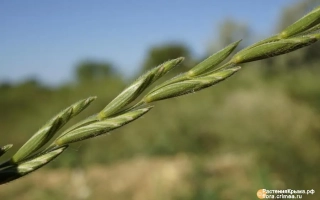
The «Stoykiy» couch grass variety, developed by experts at RosNIISK «Rossorgo» (originators: V. I. Zhuzhukin, G. I. Kostina, A. G. Ishin), represents a selection solution for establishing long-term forage lands. The key value of this variety lies in its high adaptability to abiotic stresses, which is critical for regions with risky farming conditions.
Biometric Parameters and Functionality
The plant has a variable height ranging from 40 to 150 cm, allowing for flexible mowing schedules depending on the vegetation phase and specific goals for haylage production or grazing. The technical specialization of the variety is forage production. Due to its morphological features, «Stoykiy» effectively utilizes soil moisture, forming a dense turf that is resistant to mechanical wear and trampling.
Why This Matters for Your Farm
- Leafiness: The variety demonstrates a high tillering coefficient, ensuring a dense stand and, consequently, an increased yield of green mass per unit area.
- Regeneration: A high regrowth rate after mowing allows for multiple full-cycle harvests per season while maintaining the nutritional value of the raw material.
- Technical Efficiency: Uniformity of plant development within the specified height range simplifies the adjustment of harvesting equipment, reducing losses during mowing.
The selection work by RosNIISK «Rossorgo» aims to create highly viable plant material capable of maintaining productivity on depleted or erosion-prone soils. Integrating this variety into crop rotations contributes not only to strengthening the fodder base but also to restoring soil fertility.
Crop & resistance
Crop
Specifications hover over for a hint about the specification
|
Use Direction
Use Direction
Dual-purpose hybrids: for silage and grain in all growing regions. These are "stay-green" type hybrids, meaning the plants remain green for a longer period. However, this does not affect the sugar, cellulose, and hemicellulose content, nor the degree of lignification of the plant... |
|
|---|---|
| Plant Height | 40-150 |
| Registration year | 2009 |
| Catalog | Catalog → Couch Grass |
| Manufacturer | Rossorgo Research Institute |
| Legal data |
Show · 8
|
| Country | Russia |
Store offers
Prices are updated on loadLoading offers…
Aggregator catalog: prices are collected automatically from store websites, normalized by AI and converted at the current exchange rate. Before ordering, confirm the price and availability on the store's website. This block is not indexed by search engines — the data is loaded after the page opens.
Not yet комментариев. Be the first!
Alternatives
Couch Grass · similar varieties




See also
Often considered together with this variety





Recently viewed
Products you’ve viewed on this site
Reviews · 0