


SKU #69442
·
37 views
DYMKOVSKIY
Clover
ФГБНУ Федеральный Аграрный Научный Центр Северо-востока имени Н.В. РудницкогоUser rating
0 votes0% positive reviews
No ratings yet — be the first.
Vegetation Period
60-80
Flower Color
White, Pink
Sowing Rate (kg/ha)
12-15
Variety Characteristics
High protein content, Resistant to fungal diseases
Prices in stores
from0.09 €per 1 kg
pack from 3.75 € per 40 kg
1 offer from 1 store
Store offers · 1 from 1 stores
Prices are updated on loadLoading offers…
Available at: Bee45
Aggregator catalog: prices are collected automatically from store websites, normalized by AI and converted at the current exchange rate. Before ordering, confirm the price and availability on the store's website. This block is not indexed by search engines — the data is loaded after the page opens.
About product

Alfalfa variety Dymkovskiy is a mid-season, two-cut variety developed by the Falenskaya breeding station and the N.V. Rudnitsky North-East Research Institute of Agriculture (NIISKh) using polycross methods with six ecogeographically diverse cultivar samples and biotypic selection. The bushes are upright to semi-sprawling, with tall stems of medium roughness and branched structure. Leaves are round…
Vegetation Period
60-80
Flower Color
White, Pink
Sowing Rate (kg/ha)
12-15
Variety Characteristics
High protein content, Resistant to fungal diseases
Description
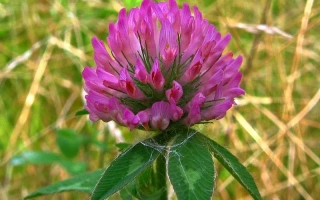
Alfalfa variety Dymkovskiy is a mid-season, two-cut variety developed by the Falenskaya breeding station and the N.V. Rudnitsky North-East Research Institute of Agriculture (NIISKh) using polycross methods with six ecogeographically diverse cultivar samples and biotypic selection. The bushes are upright to semi-sprawling, with tall stems of medium roughness and branched structure. Leaves are round and oval-rhombic, sparsely pubescent, with a large arrow-shaped pattern. Inflorescences have a rounded head, light to dark pink in color, while seeds are egg-shaped and vary in color from light yellow to dark violet. The average number of internodes is 7–8, and the mass of 1000 seeds is 1.8–2.0 g.
The period from spring regrowth to flowering lasts 62–74 days, and to seed maturity, 90–126 days, making it a mid-season variety. Winter hardiness is high, reaching 88–95%, ensuring good overwintering in various regions. Bush leafiness is high, ranging from 42 to 59%, contributing to good bushiness and productivity. Maximum yield of dry matter reaches 15.6–22.6 t/ha, and seeds up to 7.04 c/ha, which is 30–50% higher compared to the Falenskiy-1 variety.
The variety is distinguished by high crude protein content in air-dry substance—16.0–18.5%, while fiber content varies from 26.8 to 32.3%. These indicators make Dymkovskiy attractive for use in feed production. The recommended sowing rate is 30 kg per hectare. Due to resistance to major diseases such as fusarium, anthracnose, ascochitosis, and sclerotinia, as well as high winter hardiness, the Dymkovskiy variety is suitable for cultivation in the Northwestern, Central, and Volga-Vyatsk regions.
The period from spring regrowth to flowering lasts 62–74 days, and to seed maturity, 90–126 days, making it a mid-season variety. Winter hardiness is high, reaching 88–95%, ensuring good overwintering in various regions. Bush leafiness is high, ranging from 42 to 59%, contributing to good bushiness and productivity. Maximum yield of dry matter reaches 15.6–22.6 t/ha, and seeds up to 7.04 c/ha, which is 30–50% higher compared to the Falenskiy-1 variety.
The variety is distinguished by high crude protein content in air-dry substance—16.0–18.5%, while fiber content varies from 26.8 to 32.3%. These indicators make Dymkovskiy attractive for use in feed production. The recommended sowing rate is 30 kg per hectare. Due to resistance to major diseases such as fusarium, anthracnose, ascochitosis, and sclerotinia, as well as high winter hardiness, the Dymkovskiy variety is suitable for cultivation in the Northwestern, Central, and Volga-Vyatsk regions.
Crop & resistance
Crop
Disease resistance
Specifications
| Vegetation Period | 60-80 |
|---|---|
| Flower Color | |
| Sowing Rate (kg/ha) | 12-15 |
| Variety Characteristics | |
| Registration year | 1993 |
| Catalog | Catalog → Clover |
| Manufacturer | ФГБНУ Федеральный Аграрный Научный Центр Северо-востока имени Н.В. Рудницкого |
| Legal data |
Show · 2
|
| Country | Russia |
Not yet комментариев. Be the first!



Fregat
ФГБНУ Федеральный Аграрный Научный Центр Северо-востока имени Н.В. Рудницкого
042 1 offer
70.21 € ≈ 3 626 ₴


See also
Often considered together with this variety


Recently viewed
Products you’ve viewed on this site
Reviews · 0