


SKU #3907
·
236 views
Sweet cherry Kasmaninka
Cherry, Sour Cherry
Type of Variety
Sour cherry
Your mark
0 votes
0% positive ratings
Store offers · 1 from 1 store
1 offer in 1 store — from 17.6 € per seedling.
Available at: Сады Семирамиды
Prices are collected automatically from store websites and converted at the current exchange rate. Check the price and availability on the store website before ordering.
Description
This variety was obtained from crossing: Metelitsa x (Metelitsa x (Vladimirskaya x Mayak)) at the NIISS named after M.A. Lisavenko. Breeders: G.I. Subbotin, I.P. Kalinina.
The bush is multi-stemmed, medium-height, reaching 160 cm. The crown is spreading, 170 x 180 cm, moderately dense. Bark is gray and flaking. Shoots are drooping, thin, covered with small yellow stipules. Internodes are medium. Buds are large, obtuse-tipped. Leaves are medium-sized, narrowly ovate, dark green, shiny. Leaf blade is flat, apex is short-acuminate, base is rounded, margin is toothed. Absence of pubescence. Leaf petiole is thin, medium length, pigmented, with two small oval glands. Bracts are early-decaying. Flowers are medium-sized, white, 2-5 per cluster, 25-30 mm in diameter, petal shape ovate-egg-shaped 6-8 x 11-13 mm, buds light pink, sepals ovate 5-7 x 8-9 mm.
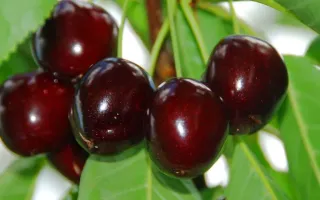
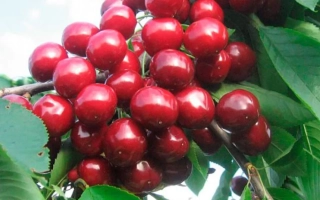
Fruits are dark cherry-red, round, 16 mm high, 16 mm in diameter. Average fruit weight is 3.6 g. The ventral suture is barely noticeable. Flesh is red, tender, juicy, slightly sour-sweet with a spicy note. Skin is firm. Peduncle is medium 30-40 mm, thin, 1.5-2.0 mm. Stone is medium-sized, oval, smooth, weighing 0.18 g. Fruits ripen at the end of July but do not drop until late autumn. Peduncle attachment to the fruit is strong. Transportability is good. Fruits contain 16.4% dry soluble solids, 9.4% sugars, 2.3% organic acids, 0.26% tannins; vitamins: C — 32.0 mg/100g, P — 162 mg/100g.
Shoots stop growing in the first decade of July, leaf fall ends in the second decade of October. Average yield per bush is 5.8 kg. The variety is resistant to fruit rot, winter-hardy, drought-tolerant, self-fertile, best pollinators: Altai Lastochka, Maksimovskaya, Subbotinskaya, Ob. Affected by powdery mildew up to 2 points. Selected for its high winter hardiness, resistance to fruit rot, and excellent fruit taste.
Advantages of the variety: high yield, self-fertility.
Disadvantages: severe infection by powdery mildew.
Crop & resistance
Crop
Specifications
| Type of Variety | |
|---|---|
| Catalog | Catalog → Cherry, Sour Cherry |
No reviews yet. Be the first to share your experience.
Alternatives
Cherry saplings · similar varieties


See also
Often considered together with this variety


Recently viewed
Products you’ve viewed on this site
Reviews